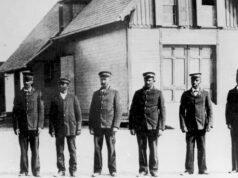
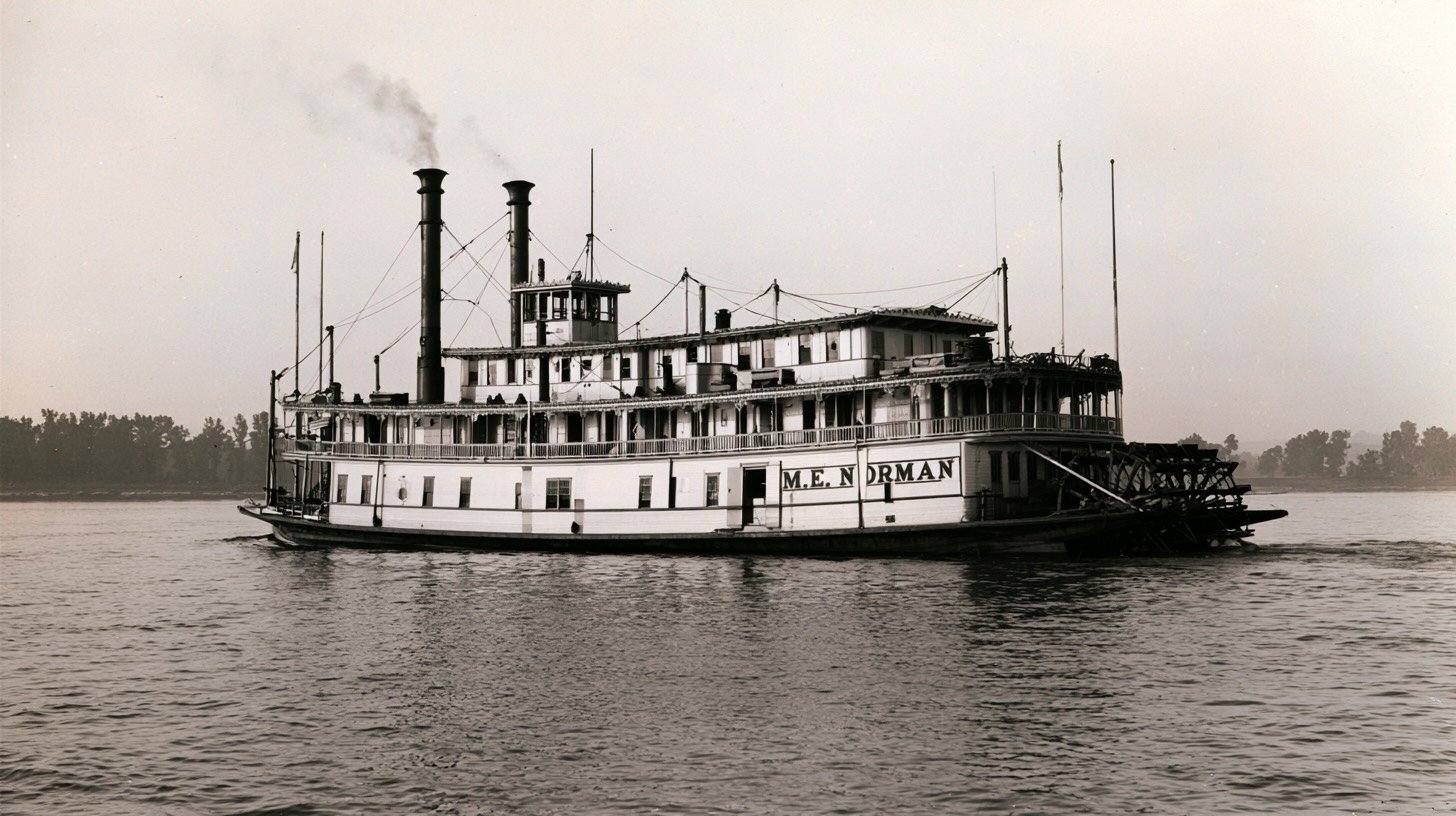

On May 8, 1925, the steamboat M.E. Norman capsized on the Mississippi River, 15 miles south of Memphis. The boat was carrying 72 passengers and crew on a sightseeing tour. It was the first time the boat had ever carried passengers .
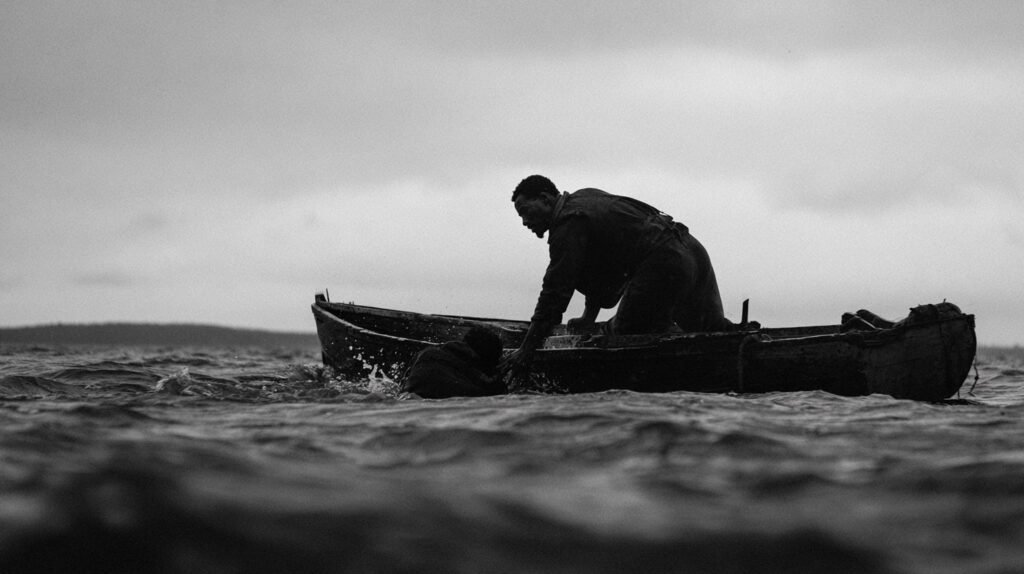
Tom Lee, a 39-year-old Black river worker who could not swim, was heading home in his 28-foot wooden skiff, the Zev. He saw the boat go down. He steered straight into the wreckage. What happened next is the stuff of legend. Lee maneuvered his tiny boat through the current, pulling survivors from the water one by one. He filled the Zev with eight half-drowned passengers, ferried them to a sandbar, and went back for more. He made trip after trip, battling the current, searching all night. He saved thirty-two lives that day.
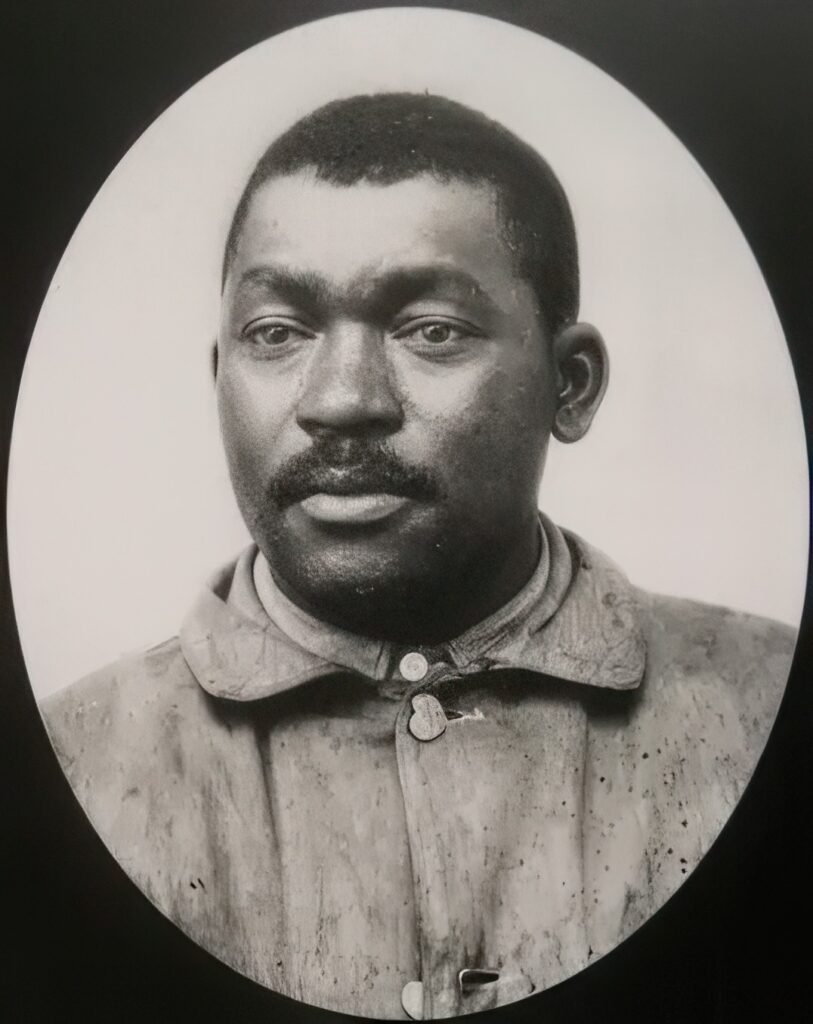
A survivor later wrote: “With lightning speed he began to pull people into his boat, women and children first. With the same speed he carried them to shore, saw them safely landed, and battling the current went back for another boat load”. Lee did not see himself as a hero. He told a reporter: “I guess I didn’t do any more than anyone else would have done in my place” . But Memphis disagreed.
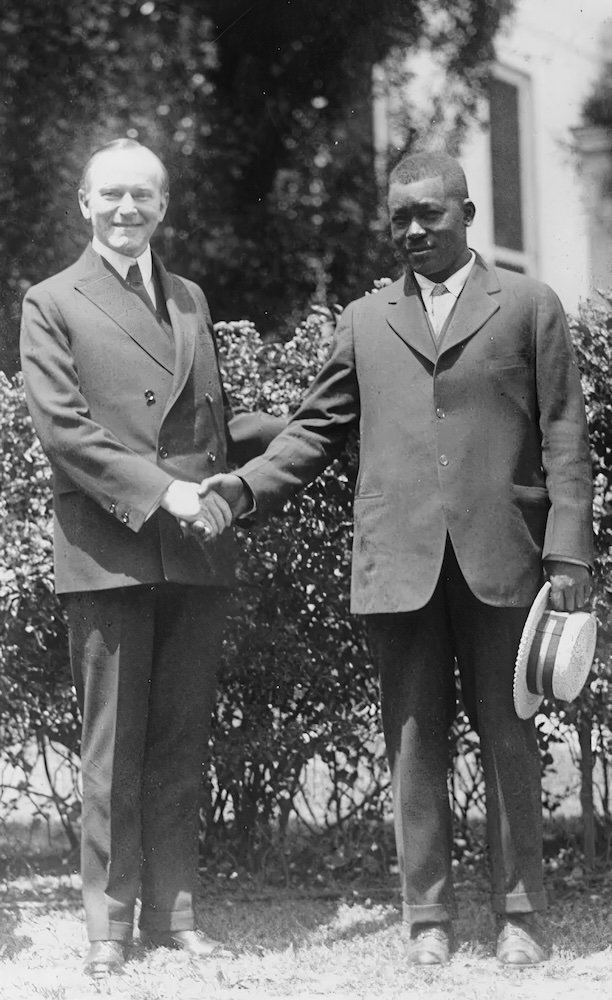
Tributes poured in. Julius Goodman, a Memphis jeweler, gave him a gold watch . He was invited to the White House to meet President Calvin Coolidge, who shook his hand and called him “a real hero” . The Engineers Club of Memphis, whose members he had saved, bought him a house . The City of Memphis gave him a job in the sanitation department.
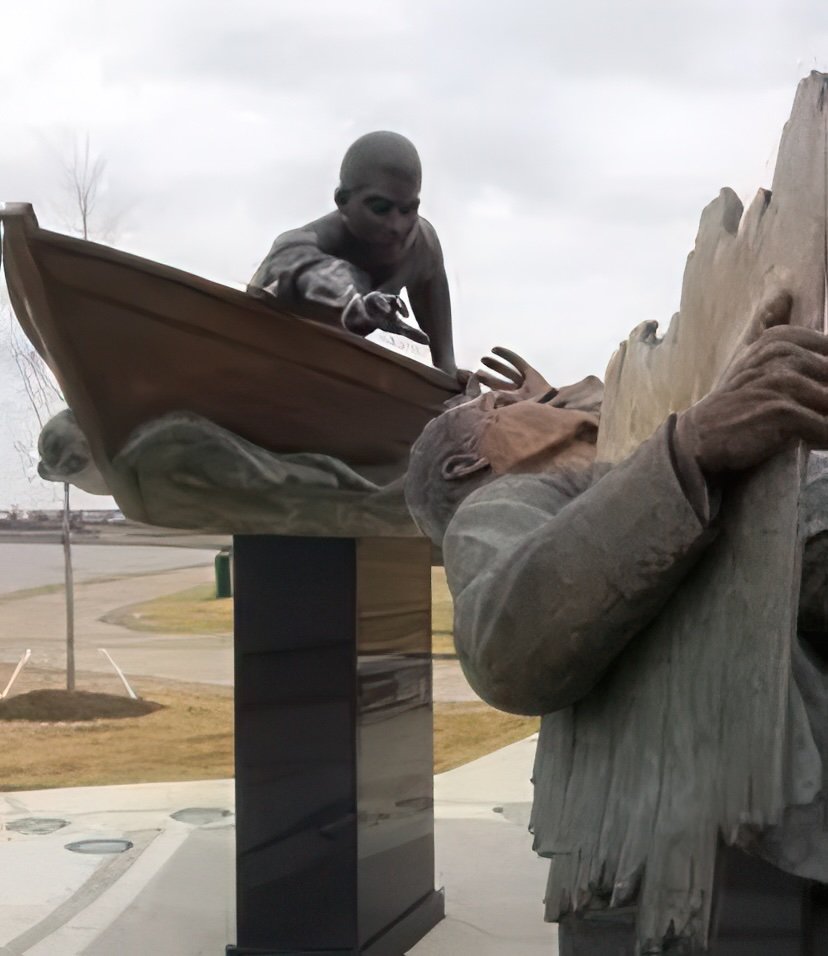
Tom Lee died of cancer in 1952. He is buried in Mount Carmel Cemetery in South Memphis. His headstone makes no note of his famous deed. It reads simply: “Lead me in the path of peace”. In 1954, Astor Park was renamed Tom Lee Park . A statue of Lee was erected on the riverfront. An art installation features thirty-two basalt sculptures for the lives he saved, and a thirty-third, taller and shinier, honours Lee himself.

Lee’s story is a reminder that heroism does not depend on strength or skill. He could not swim. He did not hesitate. He saved thirty-two people. His name is on a park, a statue, and a city’s memory.
Sources:
- Wikipedia – M.E. Norman
- The Commercial Appeal – “Celebrating heroism of Tom Lee, who saved lives on capsized steamboat 100 years ago” (2025)
- Memphis magazine – “A Hero’s Tale: Tom Lee” (1987/2019)
- FOX13 Memphis – “Honoring namesake of Memphis’ Tom Lee Park” (2025)
- Tennessee General Assembly – House Resolution 25
- Tennessee General Assembly – Senate Joint Resolution 18
- Tom Lee Park official website
| Key Fact | Source & Context | Status |
| Born in 1885 | The Commercial Appeal ; Memphis magazine | Verifiable |
| On May 8, 1925, the M.E. Norman capsized on the Mississippi River near Memphis | The Commercial Appeal ; Wikipedia | Verifiable |
| The M.E. Norman was carrying 72 passengers and crew | The Commercial Appeal ; Memphis magazine ; Wikipedia | Verifiable |
| Tom Lee was 39 years old at the time of the rescue | The Commercial Appeal ; Memphis magazine | Verifiable |
| Lee was a river worker who could not swim | The Commercial Appeal ; Memphis magazine | Verifiable |
| Lee used his 28-foot skiff, the Zev, to rescue survivors | The Commercial Appeal ; Memphis magazine ; Wikipedia | Verifiable |
| Lee saved 32 people | The Commercial Appeal ; Memphis magazine ; Wikipedia | Verifiable |
| 23 people died in the disaster | The Commercial Appeal ; Memphis magazine ; Wikipedia | Verifiable |
| Lee was invited to the White House to meet President Calvin Coolidge | The Commercial Appeal ; Tennessee General Assembly | Verifiable |
| He received a gold watch from Julius Goodman | The Commercial Appeal ; Memphis magazine | Verifiable |
| The Engineers Club of Memphis bought him a house at 923 North Mansfield | The Commercial Appeal ; Tennessee General Assembly | Verifiable |
| Lee was given a job with the City of Memphis sanitation department | The Commercial Appeal ; Memphis magazine | Verifiable |
| Lee died of cancer in 1952 | The Commercial Appeal ; Memphis magazine ; Tennessee General Assembly | Verifiable |
| He is buried in Mount Carmel Cemetery with the headstone: “Lead me in the path of peace” | The Commercial Appeal ; Memphis magazine | Verifiable |
| Astor Park was renamed Tom Lee Park in 1954 | The Commercial Appeal ; Memphis magazine | Verifiable |
| A bronze statue of Tom Lee was erected on the Memphis riverfront in 2006 | The Commercial Appeal ; Tennessee General Assembly | Verifiable |
| An art installation with 33 basalt sculptures commemorates the rescue | The Commercial Appeal ; Memphis magazine | Verifiable |