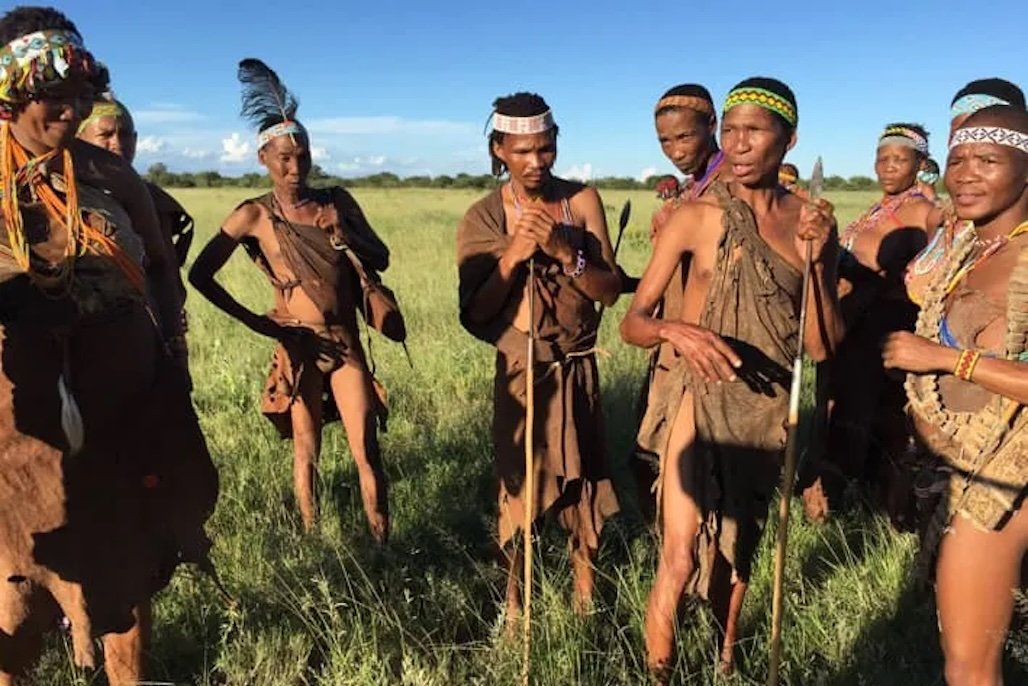

The San have lived in the Kalahari Desert for over 20,000 years. They are the oldest inhabitants of southern Africa. Their rock paintings, their knowledge of wildlife, and their ability to survive in one of the harshest environments on Earth have fascinated scholars for generations.
But in the late 1990s and early 2000s, the Botswana government began evicting them. Thousands of San were relocated from the Central Kalahari Game Reserve to resettlement camps. The government cut off their water supplies. It withdrew their hunting permits. It told them they no longer belonged to the land their ancestors had roamed for millennia.
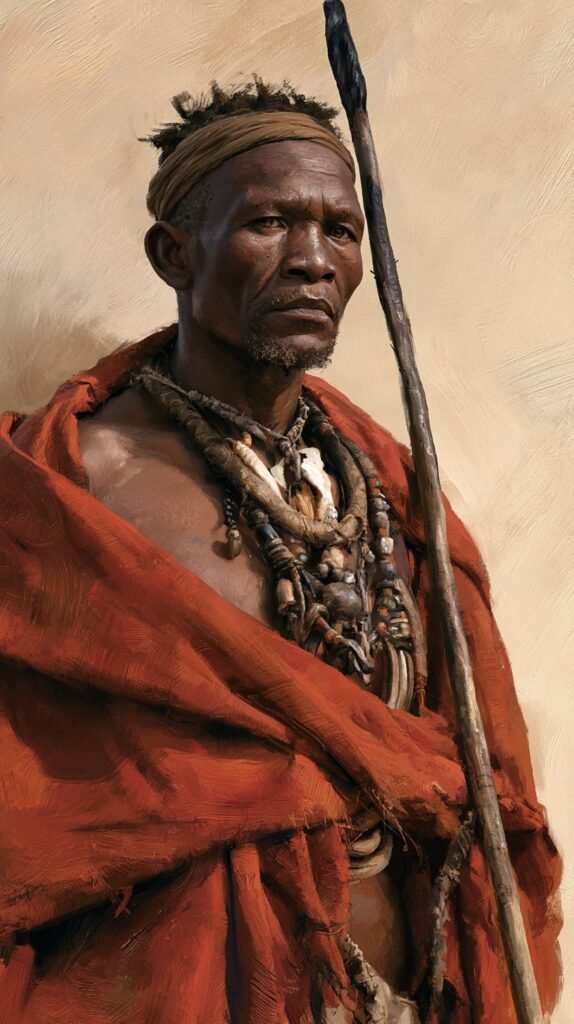
The government claimed the San were no longer true hunter-gatherers. It argued they were better off in settlements with access to clinics and schools. Critics said the real reason was diamond mining and tourism. The Central Kalahari is rich in diamonds. If the San remained, their land claim might interfere with mineral exploitation.
The Legal Battle. In April 2002, 243 San took the government to court. They were led by Roy Sesana, a founder of the First People of the Kalahari. Their case was the longest and most expensive in Botswana’s history.

On December 12, 2006, the High Court ruled in their favour. The judges found that the San had been “forcibly and wrongly deprived of their possessions” and that the government’s refusal to let them return was “unlawful and unconstitutional”. The San celebrated. They sang, they danced, they said they would return to the desert within weeks.
But the victory was incomplete. The court ruled that the government was not obliged to provide basic services like water to those who returned. The San would have to survive without the infrastructure the government had cut off.
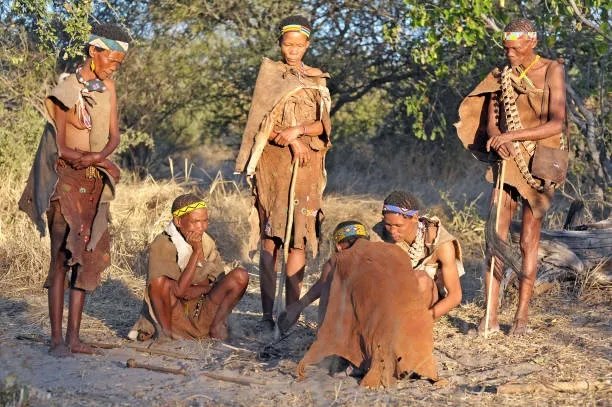
The Struggle Continues. By 2014, some San had returned to Molapo and other villages inside the reserve. They gathered wild berries and herbs. They cultivated watermelons. They kept goats and cattle illegally. But hunting was still forbidden, and the government refused to supply water, allegedly to force them back to the camps.
In September 2025, a UN expert visited Botswana. He warned that the San were still suffering from discrimination and marginalization. He said the government had shown openness to engagement but that constitutional and legal recognition of indigenous peoples remained absent. He called on Botswana to guarantee essential services for San people wishing to return to their ancestral land.
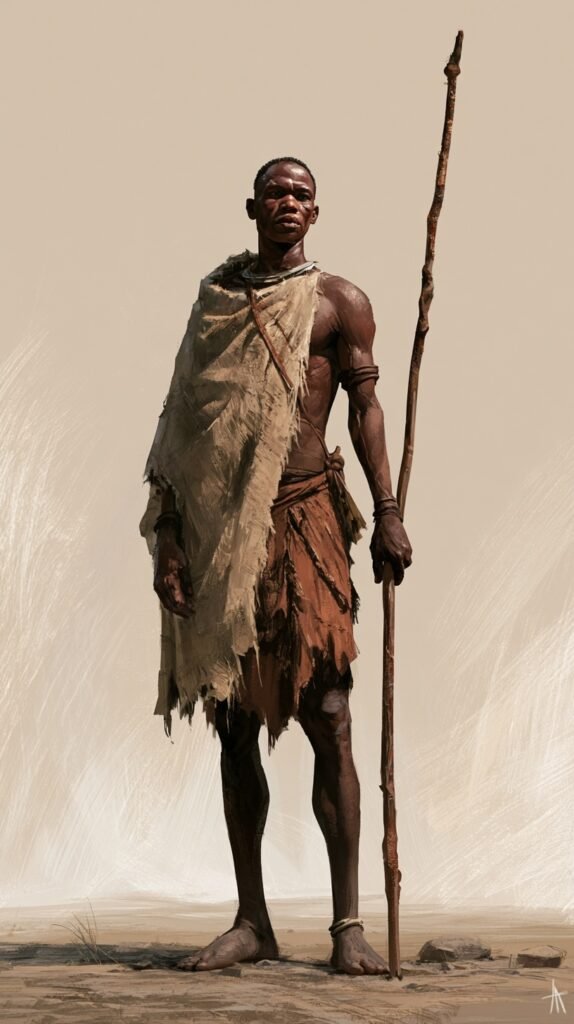
The San have been fighting for their land since 2002. They won a landmark legal victory in 2006. The government accepted the ruling. But the battle is still not over.
Sources:
- BBC News – Botswana bushmen win land ruling (2006)
- RTL Today – UN expert urges protection for indigenous Botswana people (2025)
- NPR – Africa’s San Bushmen Decry Relocation (2005)
- News24 – Botswana’s bushmen stay close to their roots (2014)
- The Guardian – Kalahari Bushmen win land battle (2006)
- The Spokesman-Review – African Bushmen win right to live in Kalahari (2006)
- The New Humanitarian – Basarwa lose court bid for land (2002)
- Cultural Survival – Revitalizing the Cultural Heritage of the Dcui and Dxana Bushmen (2026)
- OHCHR – UN expert calls for stronger protections for Indigenous Peoples in Botswana (2025)
- BBC News – Botswana Bushmen’s last stand (2002)
Verification Table
| Key Fact | Source & Context | Status |
| The San have lived in the Kalahari for over 20,000 years | BBC News ; NPR ; The Spokesman-Review | Verifiable |
| The San are the oldest inhabitants of southern Africa | BBC News ; News24 ; The Spokesman-Review | Verifiable |
| The Central Kalahari Game Reserve covers 27,000 square miles | NPR | Verifiable |
| In the late 1990s and early 2000s, thousands of San were relocated to resettlement camps | BBC News (2002) ; BBC News (2006) ; The Spokesman-Review | Verifiable |
| Government cut water supplies and withdrew hunting permits in January 2002 | BBC News ; The Guardian ; The New Humanitarian | Verifiable |
| The government argued the San were no longer true hunter-gatherers | NPR ; BBC News ; The Spokesman-Review | Verifiable |
| Critics say evictions were driven by diamond mining interests | BBC News ; RTL Today ; afrol News | Verifiable |
| On April 2002, 243 San filed a court case against the evictions | The New Humanitarian ; Refworld | Verifiable |
| Roy Sesana led the case as a founder of the First People of the Kalahari | BBC News (2002) ; BBC News (2006) ; The New Humanitarian | Verifiable |
| The High Court ruled in favour of the San on December 12, 2006 | BBC News ; The Guardian ; The Spokesman-Review | Verifiable |
| The court ruled the evictions were “unlawful and unconstitutional” | BBC News ; The Guardian | Verifiable |
| The court also ruled the government was not obliged to provide water services | BBC News ; The Guardian ; The Spokesman-Review | Verifiable |
| Some San returned to Molapo and other villages after 2006 | News24 | Verifiable |
| Hunting was still forbidden and government refused to supply water | News24 | Verifiable |
| In September 2025, a UN expert warned the San still suffer discrimination | RTL Today ; OHCHR | Verifiable |
| The UN expert called for constitutional recognition of indigenous peoples | RTL Today ; OHCHR | Verifiable |
| The San are found in Botswana, Namibia, South Africa, Angola, and Zimbabwe | Cultural Survival ; News24 | Verifiable |
| The case was the longest and most expensive in Botswana’s history | BBC News ; The Guardian | Verifiable |