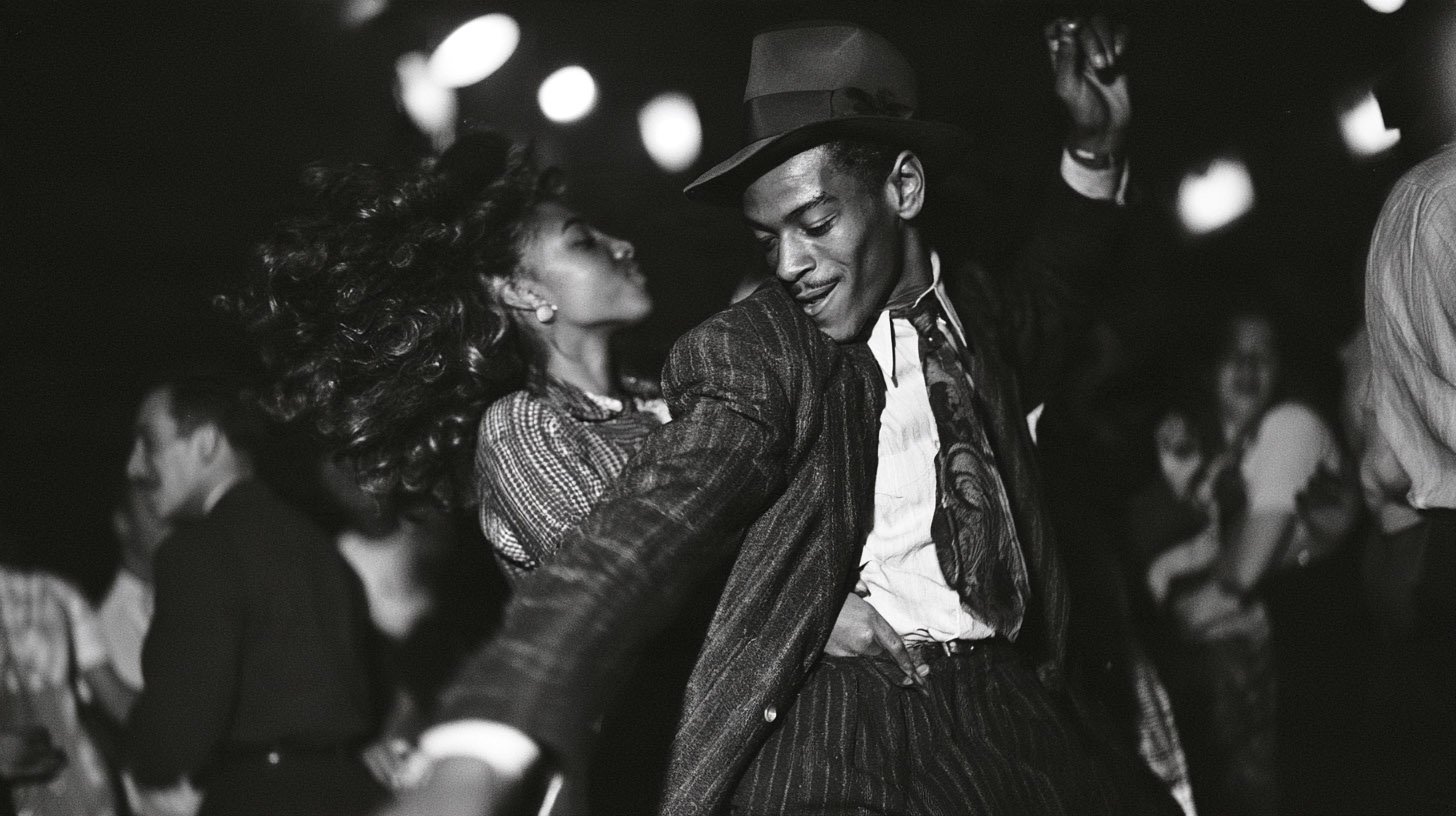
In the segregated United States, Black performers had a problem. They could not play in white clubs. And Black audiences could not attend white venues. The solution was the Chitlin’ Circuit: a network of Black-owned and Black-friendly theatres, nightclubs, and juke joints that stretched from the Deep South to the East Coast and Midwest.
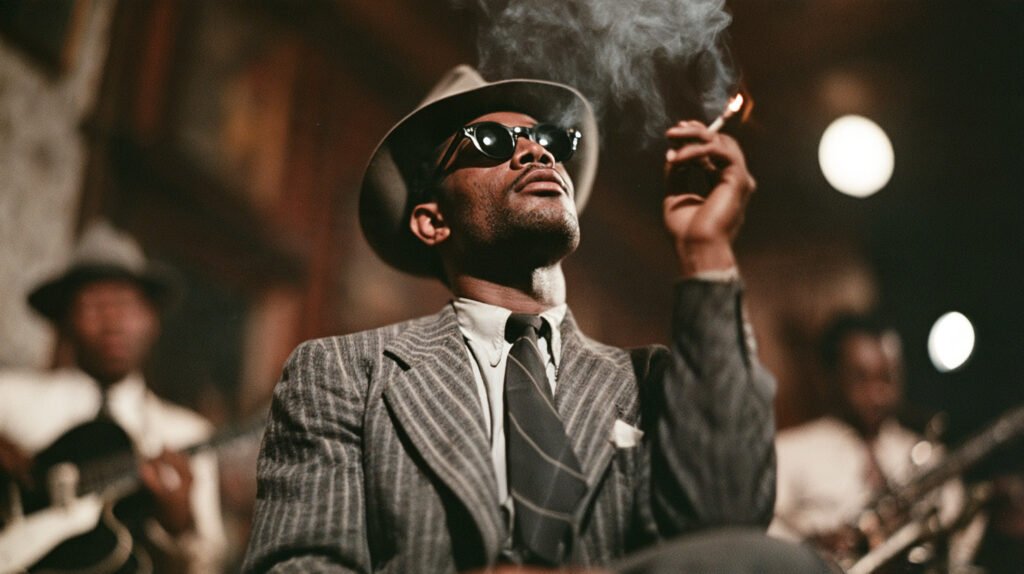
The circuit took its name from chitterlings, chitlins, the pig intestines that were a staple of Southern Black cooking. The name was a reference to slavery, when the master ate “high on the hog” and the enslaved were left with what remained. But the circuit transformed that name. It became a marker of identity, a sign that this was a world Black people had built for themselves.
The infrastructure was created by Black entrepreneurs. After the collapse of the Theatre Owners Booking Association in the early 1930s, Denver and Sea Ferguson, brothers from Indianapolis, established the Ferguson Brothers Booking Agency. Denver Ferguson is remembered as “the man who invented the Chitlin’ Circuit”. They opened a series of clubs along Indiana Avenue, and from there the network grew.
The venues were everywhere. The Apollo Theater in Harlem. The Howard Theatre in Washington. The Royal Theatre in Baltimore. The Royal Peacock in Atlanta. The Ritz in Jacksonville. The Hippodrome in Memphis. The Carver Theater in Birmingham. The Fox in Detroit. The Lyric Theatre in Lexington. And hundreds of smaller rooms: juke joints in rural areas, cafes, dance halls, and nightclubs in cities.
The performers who worked the circuit were the architects of twentieth-century music. Ray Charles. Little Richard. Tina Turner. Sam Cooke. The Jacksons. Billie Holiday. John Coltrane. Jimi Hendrix. B.B. King. James Brown. They honed their craft in these rooms, in front of Black audiences who understood them. They developed their styles. They tested their material. They built their followings.
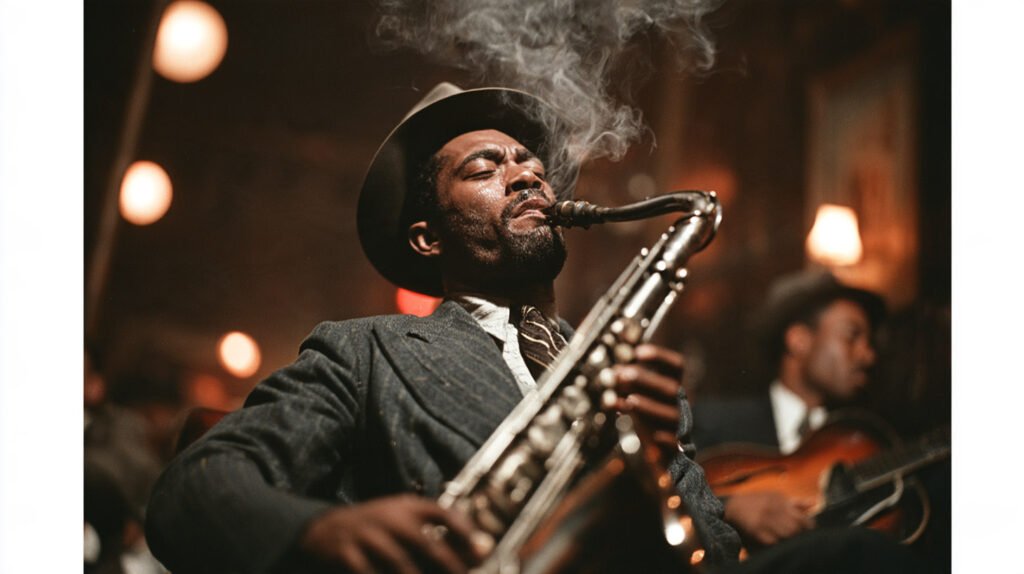
The circuit was not just a touring route. It was an ecosystem. Black club owners. Black booking agents. Black promoters. Black audiences. It was a parallel economy, built from necessity, sustained by talent and determination.
The music that came from the circuit changed the world. As the BBC notes, the circuit “brought about the birth of rock ‘n’ roll” . Rhythm and blues, soul, and rock ‘n’ roll all emerged from the venues and performers of the Chitlin’ Circuit. The music that would eventually captivate white audiences was first developed in rooms where those audiences were not welcome.
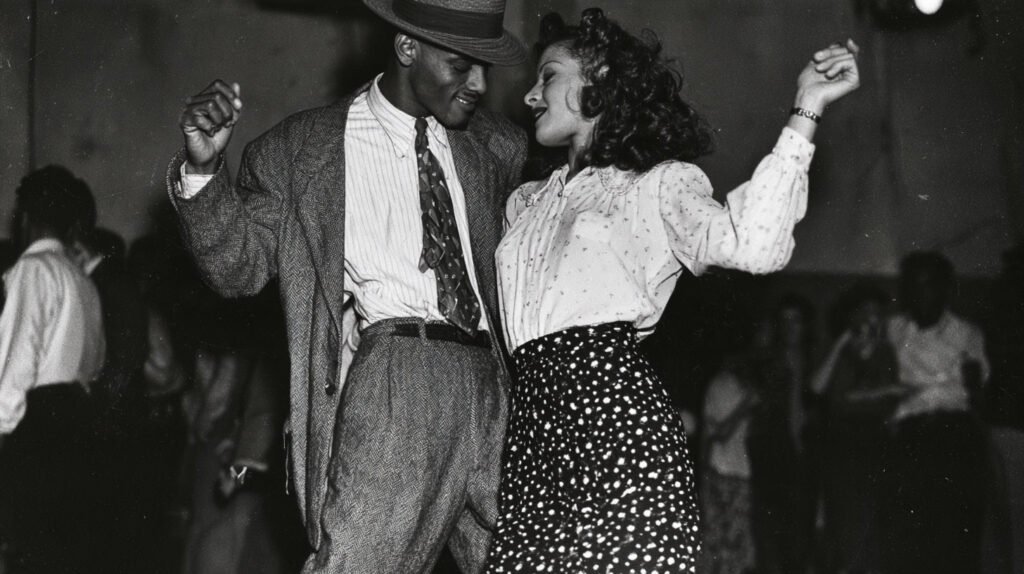
The circuit declined in the 1960s. Desegregation opened new opportunities for Black performers and audiences. Urban renewal demolished many of the original venues. But the legacy remains. The Apollo Theater and the Howard Theatre have been restored. The history of the circuit has been documented in books like Preston Lauterbach’s The Chitlin’ Circuit and the Road to Rock ‘n’ Roll. And in 2025, Beyoncé named her tour after the circuit, bringing renewed attention to its history.
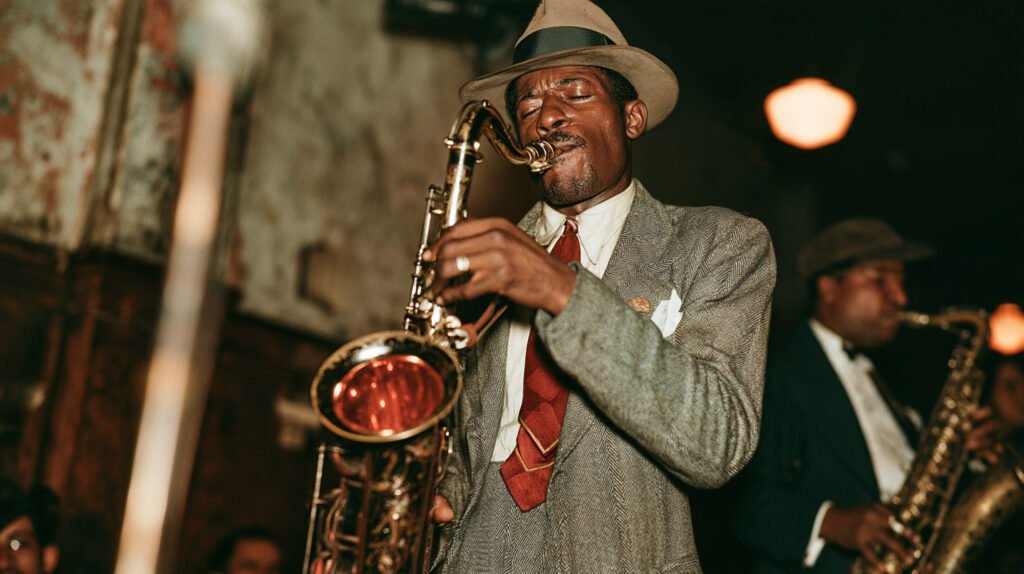
The Chitlin’ Circuit was born from exclusion. It was sustained by entrepreneurship. It produced the soundtrack of the twentieth century. And it proved that even in the face of segregation, Black people could build their own world and make it magnificent.
Sources:
- Britannica, “Chitlin Circuit.” https://www.britannica.com/topic/chitlin-circuit
- BBC, “The Chitlin’ Circuit.” https://www.bbc.co.uk/mediacentre/proginfo/2017/41/the-chitlin-circuit
- BBC World Service, “The road to rock’n’roll.” https://www.bbc.co.uk/programmes/p09q8j5w
- De Gruyter, “The Chitlin Circuit.” https://www.degruyterbrill.com/document/doi/10.1515/9780820367699-014/html
- Preston Lauterbach, The Chitlin’ Circuit and the Road to Rock ‘n’ Roll (W.W. Norton, 2011)
- Taylor & Francis, “Picturesque Houses as Incubators of Jazz.” https://www.taylorfrancis.com/chapters/mono/10.4324/9781003353737-4/picturesque-houses-incubators-jazz-jeremy-brown
- Wikipedia, “Chitlin’ Circuit.”
- BBC News, “The story behind Beyoncé’s Chitlin’ Circuit tour name,” 10 February 2025. https://www.bbc.co.uk/news/articles/c2egl1k2nwdo
- Searchable Museum, “The Chitlin’ Circuit.” https://www.searchablemuseum.com/the-chitlin-circuit/
Verification Table
| Key Fact | Source & Context | Status |
| The Chitlin’ Circuit was a network of live entertainment venues catering to African American audiences during Jim Crow segregation | Britannica | Verifiable |
| Operated from the early 20th century through the 1960s | Britannica | Verifiable |
| Provided employment for hundreds of Black musicians and performers | BBC | Verifiable |
| Named after “chitterlings” (chitlins), a dish made from pig intestines popular in Southern cooking | BBC; Britannica | Verifiable |
| Venues ranged from juke joints in rural areas to nightclubs, restaurants, and high-end theatres in cities | Taylor & Francis; Wikipedia | Verifiable |
| The circuit was created by Black entrepreneurs, club owners, and booking agents | Britannica; De Gruyter | Verifiable |
| Denver Ferguson, an Indianapolis club owner, is remembered as “the man who invented the Chitlin’ Circuit” | De Gruyter | Verifiable |
| Ferguson and his brother Sea established the Ferguson Brothers Booking Agency after TOBA collapsed | De Gruyter; Britannica | Verifiable |
| TOBA (Theatre Owners Booking Association) collapsed by the early 1930s | Britannica | Verifiable |
| Major venues included the Apollo Theater (NYC), Howard Theatre (D.C.), Royal Theatre (Baltimore), Royal Peacock (Atlanta), Ritz (Jacksonville), Hippodrome (Memphis), Carver Theater (Birmingham), Fox (Detroit), Lyric Theatre (Lexington) | De Gruyter | Verifiable |
| Virtually every notable African American performer from the 1930s to the 1960s worked the circuit | BBC | Verifiable |
| Performers included Ray Charles, Little Richard, Tina Turner, Sam Cooke, The Jacksons, Billie Holiday, John Coltrane, Jimi Hendrix | BBC | Verifiable |
| Performers also included B.B. King, James Brown, and Denise LaSalle | Wikipedia | Verifiable |
| The circuit brought about the birth of rock ‘n’ roll | BBC; Wikipedia | Verifiable |
| The circuit declined in the 1960s as segregation laws changed | Britannica | Verifiable |
| Many venues were demolished by urban renewal in the 1960s and 1970s | Britannica | Verifiable |
| The name may reference slave times when the master ate “high on the hog,” leaving less desirable parts for the enslaved | De Gruyter | Debated (attributed) |
Achievements, Awards & Commemorations
| Commemoration | Date | Details |
| Book: The Chitlin’ Circuit and the Road to Rock ‘n’ Roll | 2011 | By Preston Lauterbach; first in-depth history of the circuit |
| BBC Documentary: “The Chitlin’ Circuit” | 2016/2017 | BBC Radio 2 and BBC World Service documentaries |
| Beyoncé “Cowboy Carter” Tour | 2025 | Tour name referenced the Chitlin’ Circuit, bringing renewed attention to its history |
| Historic Venue Preservation | Ongoing | Several original venues restored or designated historic landmarks (e.g., Apollo Theater, Howard Theatre) |
| Book: The Black Circuit | 2020 | By Rashida Z. Shaw McMahon; scholarly study of Chitlin Circuit theatre |