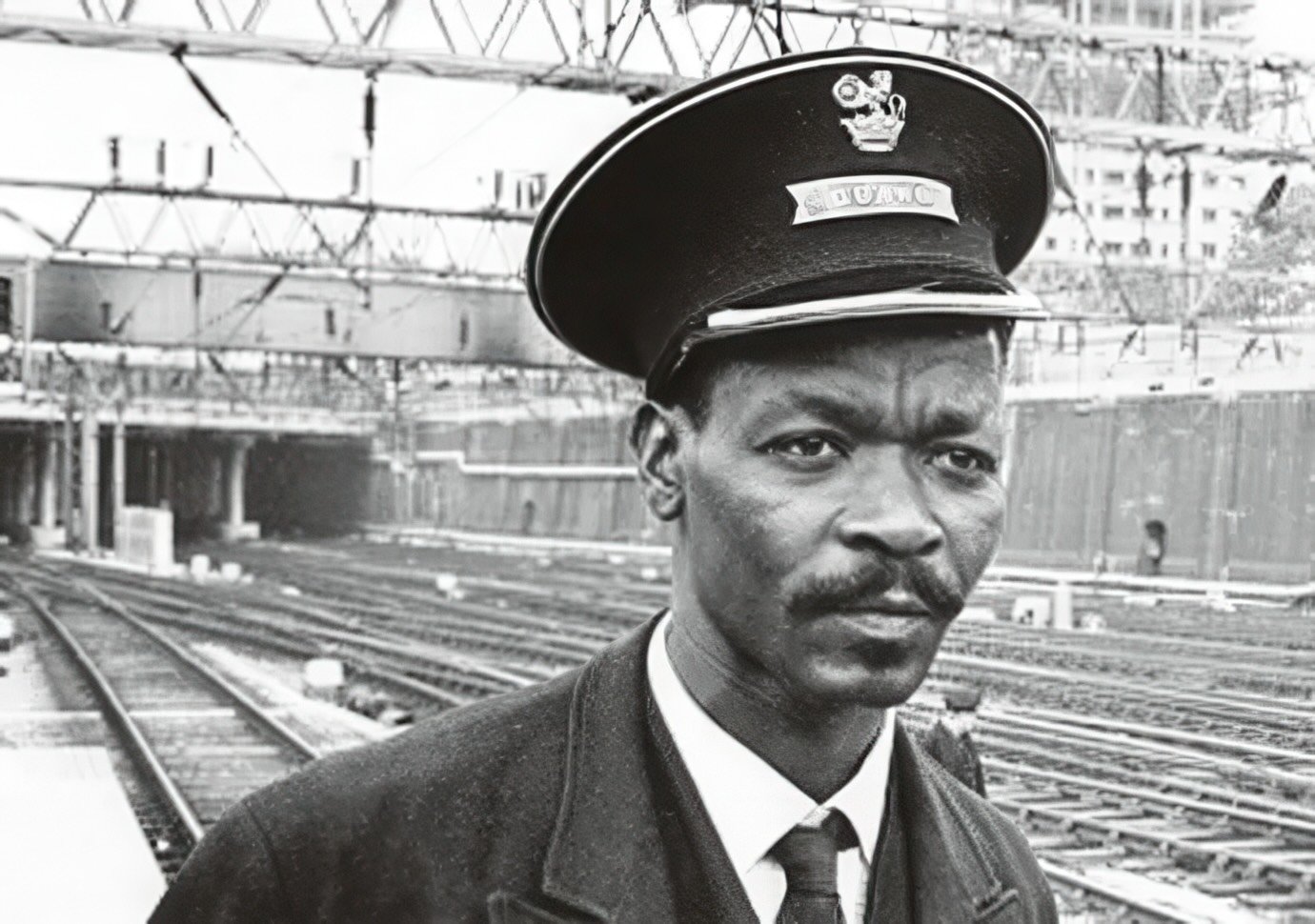
In 1966, a letter arrived at Asquith Xavier’s home that would change British history. Xavier was a train guard. He was experienced, qualified, and had worked for British Railways for years. He had applied for a transfer from Marylebone Station to Euston Station, where guards earned better pay. The letter told him he was rejected. The reason was the colour of his skin.
Xavier was born on the Caribbean island of Dominica on 18 July 1920. He moved to England in 1958, part of the Windrush generation that answered Britain’s post-war call for workers to rebuild the country. His first job with British Railways was as a porter, carrying luggage for passengers. Over the years, he worked his way up to train guard, a position of responsibility that involved passenger safety and ticket inspection.
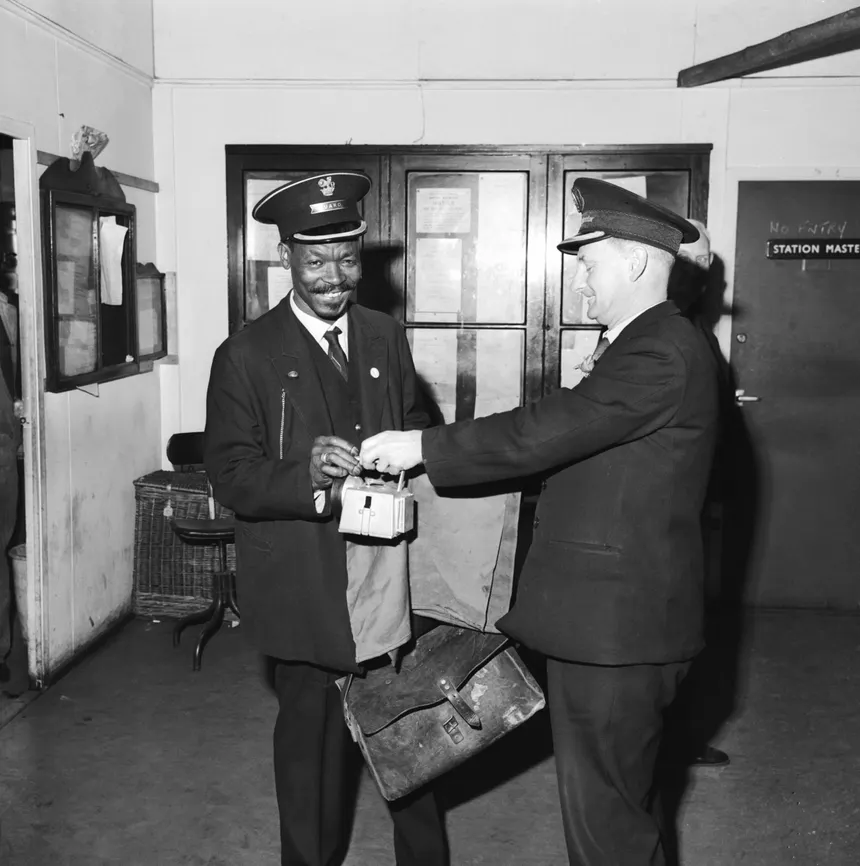
When Marylebone’s main line closed in the mid-1960s, guards were transferred to other London stations. Xavier applied to Euston. It should have been straightforward. It was not. Euston was operating what was known as a “colour bar” an unofficial policy that banned non-white workers from jobs that involved contact with the public. Local staff representatives had refused to accept the transfer of “coloured staff,” and this was made explicit in a memo sent to Xavier.
Xavier refused to accept the decision. He had a family to support. He was qualified for the job. And the rejection was based on something he could not change: the colour of his skin.
His union, the National Union of Railwaymen, backed him. A representative named Jim Prendergast wrote on his behalf and helped escalate the case. Xavier’s case gained attention. His story made its way to Parliament.
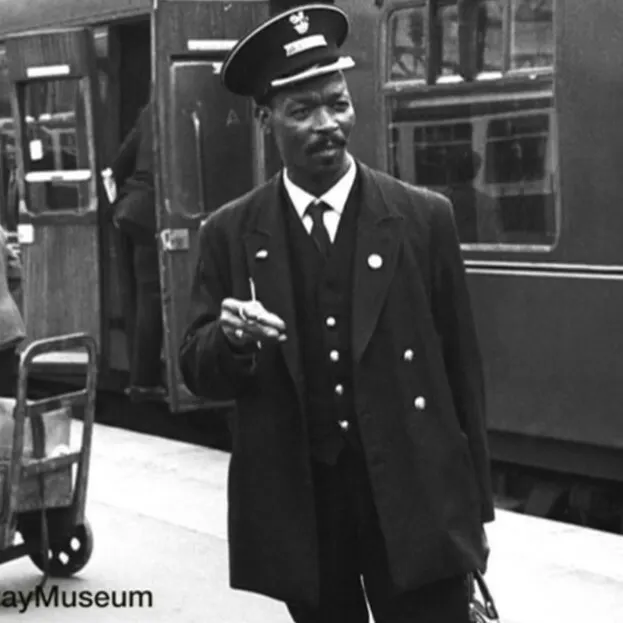
On 15 July 1966, British Railways announced that the colour bar at Euston and St Pancras would end. Xavier got the job he had applied for. On 15 August 1966, he became the first Black railway guard to work out of Euston Station.
But the victory came at a cost.
Xavier received anonymous letters threatening to cut his throat and “send him back to the jungle.” He faced racist abuse from the public. At times, he had a police guard. His granddaughter later described how the stress and strain of those years took a toll on his health.
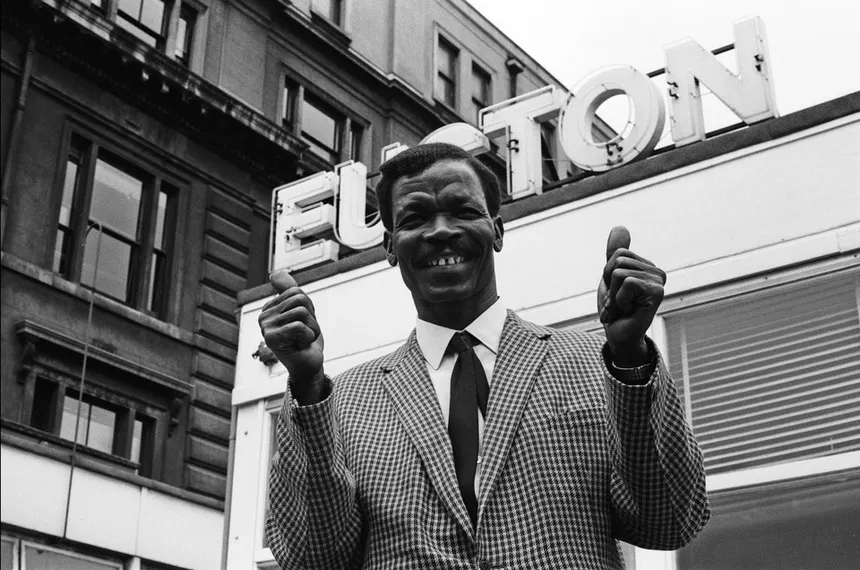
The context of Xavier’s fight matters. The 1965 Race Relations Act had banned racial discrimination in public places, but it did not cover workplaces . Employers could legally refuse to hire someone because of their race. The law was widely criticised as inadequate. Xavier’s case exposed this gap. It contributed to the momentum that produced the 1968 Race Relations Act, which finally made it illegal to discriminate in employment on grounds of race.
Xavier’s story was not widely known for decades. He died on 18 June 1980 at the age of 59. His family believed his contribution had been overlooked. His granddaughter, Camealia Xavier-Chihota, said his story was “omitted from the National Curriculum” and that “no one really knows about him”.
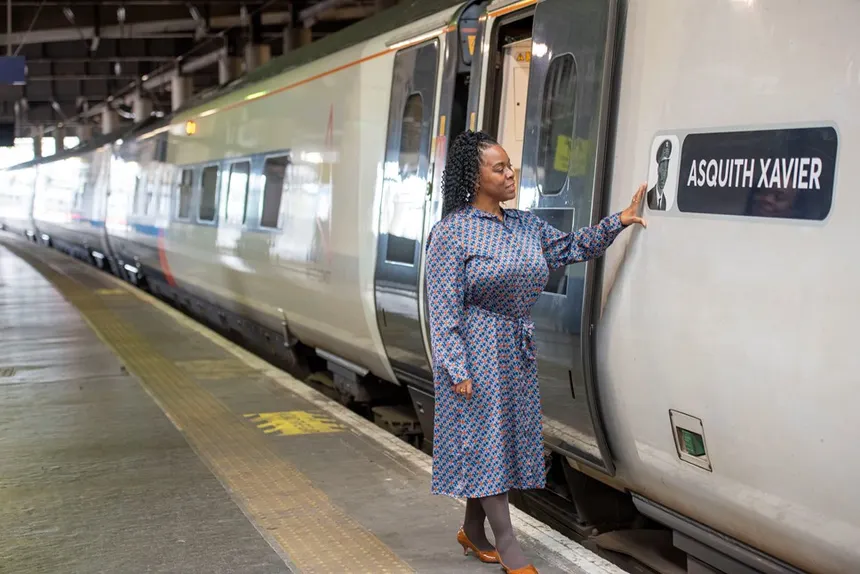
That began to change. In 2020, plaques were installed at Euston Station and Chatham Station . Network Rail produced educational materials for schools. In 2023, Avanti West Coast named a Pendolino train after him, with a nameplate designed in consultation with his family that depicts him working as a guard. In 2024, a mural celebrating his life was unveiled in Chatham near his former home on Grove Road, created by artist Voyder and organised by Arches Local. In 2026, English Heritage installed a blue plaque at 149 Ledbury Road in Notting Hill, where Xavier lived when he took his stand.
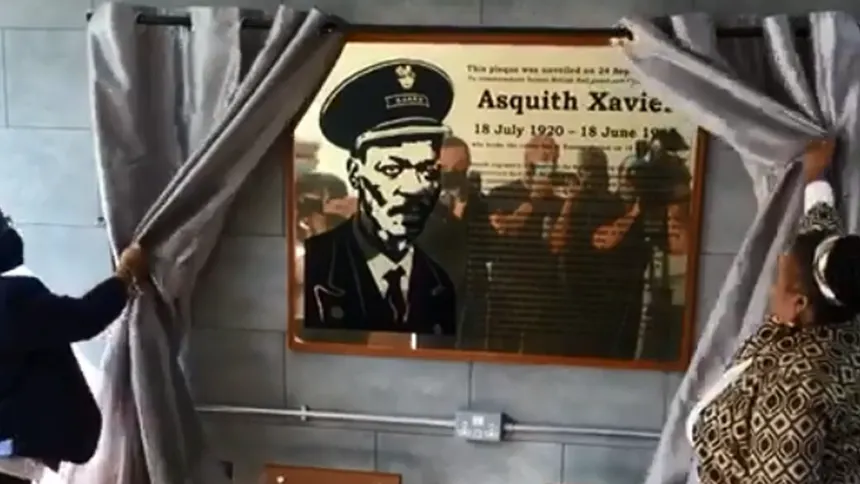
His daughter, Maria Magdalena-Xavier, said: “To think about what our father experienced, whilst applying for a promotion as a train guard at Euston station with the racial discrimination he faced, and now to this day, a train being named after him in his honour and recognising his important campaign is truly amazing”.
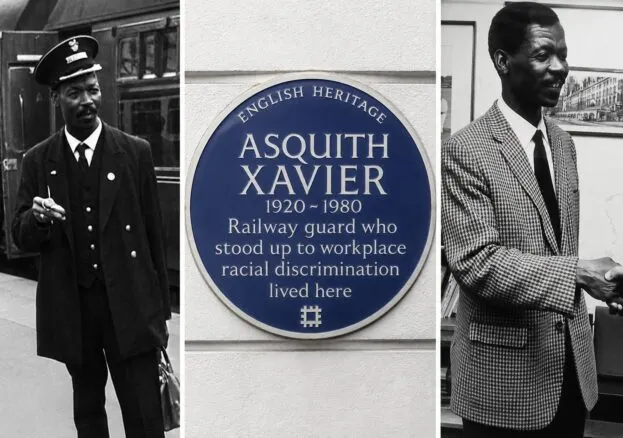
Xavier’s fight was not glamorous. He was not seeking publicity. When interviewed by newspapers during his campaign, he said he simply wanted the opportunity to progress his career and support his family. But that simple desire for fairness became a landmark moment in Britain’s struggle against workplace discrimination.
The colour bar at Euston had operated for over a decade. It took one man, armed with a letter and a union, to bring it down.
Sources:
- Network Rail, “Meet Asquith Xavier” educational leaflet (Year 7). https://www.networkrail.co.uk/wp-content/uploads/2020/10/Asquith-Xavier-leaflet-year-7.pdf
- BBC News, “Rail guard who won ‘whites only’ job gets plaque,” 13 August 2026. https://www.bbc.co.uk/news/articles/cvg0z0gpv92o
- Dominica News Online, “Mural of Dominican who fought for racial equality in England unveiled,” 28 February 2024. https://dominicanewsonline.com/news/homepage/news/black-history-month-mural-of-dominican-who-fought-for-racial-equality-in-england-unveiled/
- BBC Newsround, “Train named after guard Asquith Xavier,” 2 October 2023. https://www.bbc.co.uk/newsround/66985586
- BBC News, “Asquith Xavier: Pioneering black train guard ‘omitted’ from history lessons,” 16 July 2020. https://www.bbc.com/news/uk-england-kent-53449027
- Black History Month UK, “English Heritage Blue Plaque Honours Railway Equality Pioneer Asquith Xavier,” 13 August 2026. https://www.blackhistorymonth.org.uk/article/section/news/english-heritage-blue-plaque-honours-railway-equality-pioneer-asquith-xavier/
- Avanti West Coast, “Pendolino named Asquith Xavier in honour of train guard who fought the colour bar,” 2 October 2023. https://newsdesk.avantiwestcoast.co.uk/news/pendolino-named-asquith-xavier-in-honour-of-train-guard-who-fought-the-colour-bar
- Voice Online, “Blue plaque mounted for railway pioneer Asquith Xavier,” 14 August 2026. https://www.voice-online.co.uk/lifestyle/2026/08/14/blue-plaque-mounted-for-railway-pioneer-asquith-xavier/
Verification Table
| Key Fact | Source & Context | Status |
| Asquith Camile Xavier was born on 18 July 1920 on the island of Dominica | Network Rail educational leaflet ; Black History Month UK ; Voice Online | Verifiable |
| He moved to England in 1958 as part of the Windrush generation | BBC News ; Black History Month UK ; Network Rail . Note: Some sources say 1956 | Verifiable (date discrepancy noted) |
| He started at British Railways as a porter and carriage cleaner | BBC Newsround ; Black History Month UK | Verifiable |
| He worked his way up to train guard at Marylebone Station | BBC Newsround ; Network Rail | Verifiable |
| In 1966, Marylebone main line closed and Xavier applied for transfer to Euston Station | BBC Newsround ; Network Rail | Verifiable |
| His application was rejected because of his race | BBC News ; Black History Month UK ; Avanti West Coast | Verifiable |
| Euston operated an unofficial “colour bar” enforced by local staff representatives | Black History Month UK ; BBC Newsround | Verifiable |
| Xavier was supported by his National Union of Railwaymen representative Jim Prendergast | Black History Month UK ; Network Rail | Verifiable |
| On 15 July 1966, British Railways announced the colour bar at Euston and St Pancras would end | Black History Month UK ; Network Rail | Verifiable |
| On 15 August 1966, Xavier became the first Black railway guard at Euston Station | Black History Month UK ; Network Rail | Verifiable |
| He received death threats and racist abuse, requiring police protection at times | Black History Month UK ; Kent Online | Verifiable |
| He died on 18 June 1980, aged 59 | Network Rail educational leaflet ; Dominica News Online | Verifiable |
| His fight contributed to the 1968 Race Relations Act | Dominica News Online ; Avanti West Coast . Note: Direct causation is a matter of historical interpretation | Verifiable (as a claim); causation is Debated |
| His story was featured in a Network Rail educational leaflet for schools | Network Rail educational leaflet | Verifiable |