
Beulah Mae Donald was asleep when her son Michael left the house on the night of 20 March 1981. He was nineteen years old, the youngest of her seven children. He had gone to his aunt’s house earlier that evening, then left to buy cigarettes from a nearby store. He never returned.
That night, Beulah Mae had a dream. In the dream, there was a steel-grey casket in her living room. She couldn’t see who was inside. Someone she didn’t know kept telling her, “You don’t need to see this.” But she knew she did.
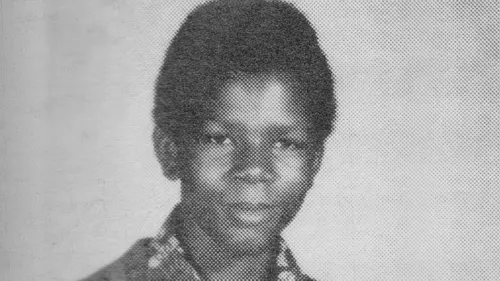
The next morning, she went outside to rake her yard. A woman passing by said, “They found a body.” Then the phone rang. A caller told her: “No, baby, they had a party here, and they killed your son”.
Michael Donald’s body was hanging from a tree in a residential neighbourhood, about a mile from the Mobile police station. He had been beaten, strangled, and hoisted into the branches.
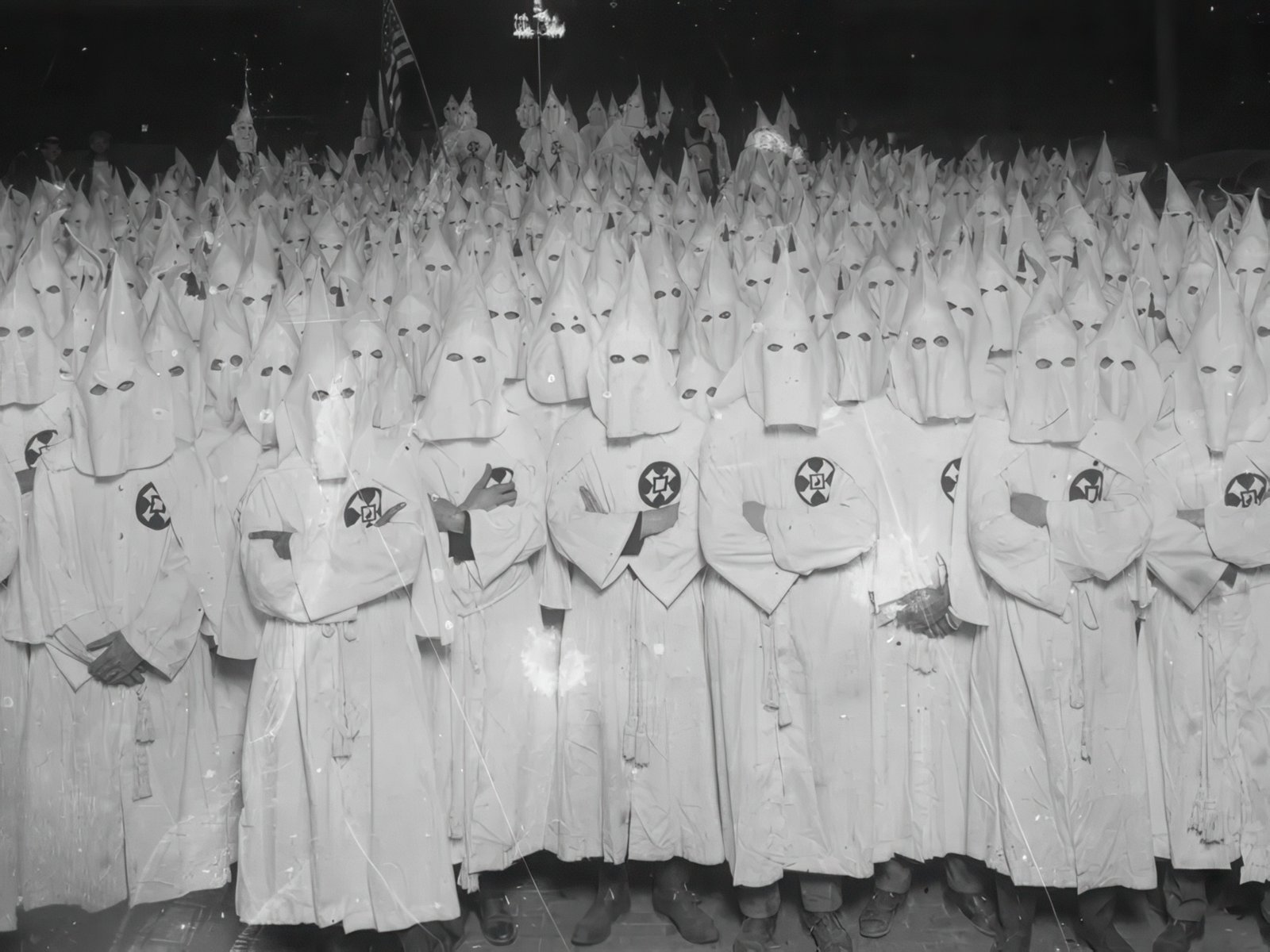
Two members of the United Klans of America had abducted him at random. Their motive was rage. A mistrial had just been declared in the case of a Black man accused of killing a white police officer. The Klan wanted revenge, and they chose Michael Donald as their target.
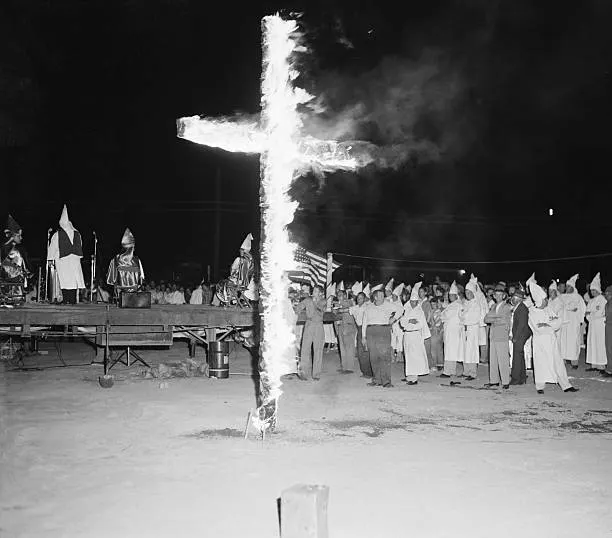
The United Klans of America was not a fringe group. It was one of the largest and most violent Klan factions in the country. Its members had bombed the 16th Street Baptist Church in Birmingham in 1963, killing four young girls. They had murdered civil rights worker Viola Liuzzo in 1965.
Local authorities initially failed to act. A grand jury refused to indict three suspects, and the case stalled. But Beulah Mae Donald refused to let her son’s death be forgotten.
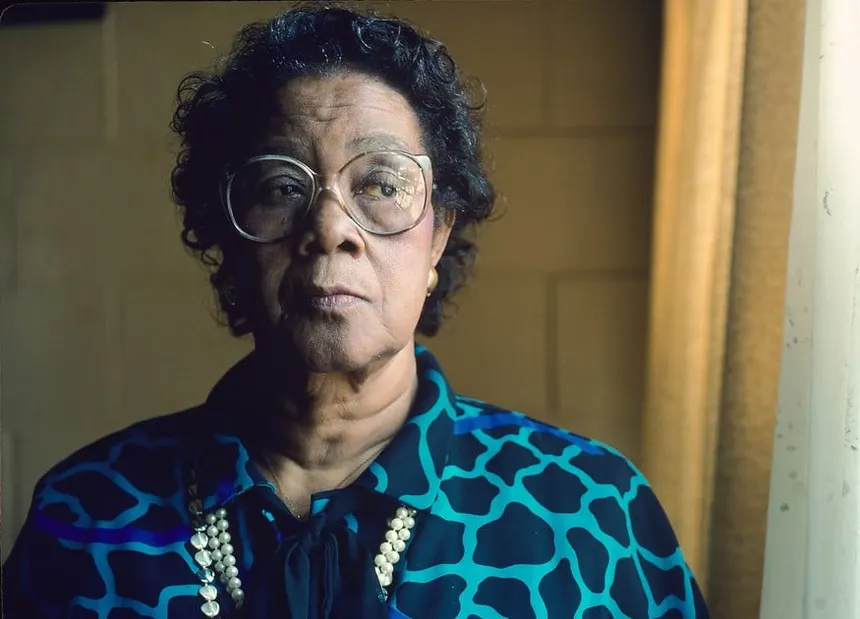
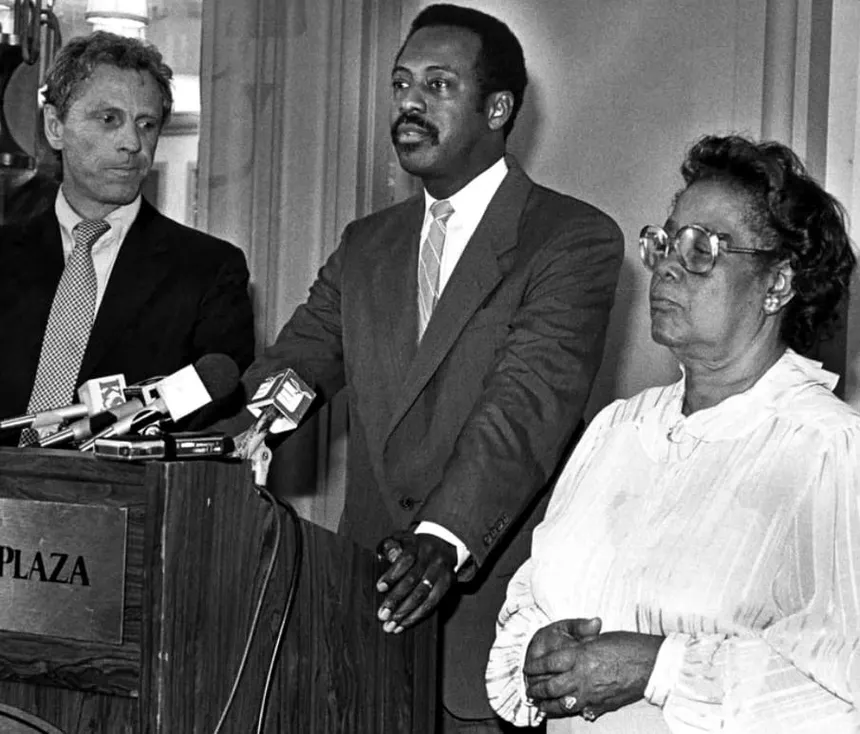
She partnered with Morris Dees, a lawyer and co-founder of the Southern Poverty Law Center. Dees had a radical idea: sue the Klan itself, not just the individuals who committed the crime. If the organisation encouraged and facilitated violence, he argued, it should be held liable for the consequences.
In 1987, the case went to trial. The jury was all-white. The evidence was compelling. Dees showed that the Klan was a conspiracy, a network that trained its members in violence and protected them from accountability. The jury deliberated and returned a verdict: $7 million in damages against the United Klans of America and six Klansmen.
Beulah Mae Donald said at a news conference: “I’m glad justice was done. Money don’t mean a thing to me. It won’t bring my child back. But I’m glad they caught the guilty and brought them to court”.
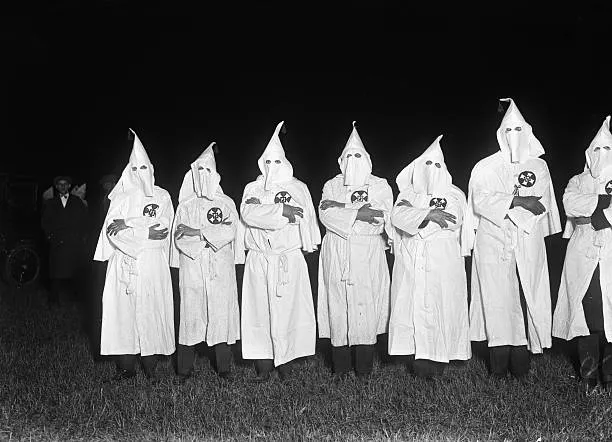
The verdict was devastating for the Klan. The United Klans of America was forced to turn over its national headquarters in Tuscaloosa, a 7,000-square-foot building on 6.5 acres of land to Beulah Mae Donald as partial settlement. The organisation, already weakened by internal divisions and legal battles, collapsed. It never recovered.
The headquarters was eventually sold for about $55,000. The Donald family received approximately $150,000 in total, far less than the $7 million judgment. But the symbolic victory was total. The United Klans of America was finished.
Beulah Mae Donald died on 17 September 1988, at the age of 67. She had lived long enough to see the Klan brought to its knees, but not long enough to see the full legacy of her fight.
Her story has been told in books, documentaries, and television series. Laurence Leamer’s 2016 book, The Lynching: The Epic Courtroom Battle that Brought Down the Klan, chronicles the case. In 2021, CNN aired a four-part docuseries, The People V. The Klan, from Blumhouse Television. The case is studied in law schools as a landmark example of civil litigation against hate groups.
Beulah Mae Donald was not a lawyer. She was not a politician. She was a mother who lost her son to racial terror and refused to accept that his death would go unanswered. Her fight took the United Klans of America from a position of power to total ruin. She did not do it with violence. She did it with a lawsuit, a lawyer, and the unshakeable determination of a mother who would not be silenced.
Verification Table
| Key Fact | Source & Context | Status |
| Beulah Mae Donald was born Beulah Mae Gregory on 10 October 1920 | Ancestry.com; Wikipedia | Verifiable (conflicting sources) |
| Some sources list her birth as 20 October 1919 in Mobile, Alabama | BlackPast.org | Debated |
| She was an African-American woman living in Mobile, Alabama | Multiple sources | Verifiable |
| Her son Michael Donald was 19 years old in March 1981 | NYT; CNN | Verifiable |
| On 21 March 1981, Michael Donald left his aunt’s home to buy cigarettes and was abducted by Klansmen | NYT; CNN | Verifiable |
| Michael’s body was found hanging from a tree in a residential neighbourhood in Mobile | NYT; CNN | Verifiable |
| He had been beaten and strangled before being hanged | NYT; SPLC | Verifiable |
| The murder was carried out by members of the United Klans of America | SPLC; CNN | Verifiable |
| The motive was Klan anger over a mistrial in the case of a Black man accused of killing a white police officer | NYT; SPLC | Verifiable |
| A Mobile County grand jury initially refused to indict three suspects | NYT | Verifiable |
| Beulah Mae Donald worked with Morris Dees and the Southern Poverty Law Center | SPLC; ABA Journal | Verifiable |
| In 1987, a federal jury awarded $7 million in damages against the United Klans of America and six Klansmen | NYT; SPLC judgment document | Verifiable |
| The verdict bankrupted the United Klans of America | SPLC; ABA Journal | Verifiable |
| Beulah Mae Donald received the deed to the Klan’s national headquarters in Tuscaloosa as partial settlement | NYT | Verifiable |
| The United Klans of America was the same group that bombed the 16th Street Baptist Church | SPLC | Verifiable |
| Beulah Mae Donald died on 17 September 1988, aged 67 | Ancestry.com; Wikipedia | Verifiable |
| She never collected the full $7 million judgment | NYT | Verifiable |
Achievements, Awards & Commemorations
| Commemoration | Date | Details |
| CNN Documentary Series | April 2021 | “The People V. The Klan,” a four-part docuseries from Blumhouse Television, tells Beulah Mae Donald’s story |
| Investigation Discovery Feature | February 2016 | SPLC Klan cases featured in an Investigation Discovery series, including the Michael Donald lawsuit |
| Discovery Channel Special | 2008 | “The Last Lynching,” hosted by Ted Koppel, examined the Michael Donald case |
| Book: “The Lynching” | 2016 | Laurence Leamer’s book “The Lynching: The Epic Courtroom Battle that Brought Down the Klan” documents the case |
| Congressional Recognition | 1995 | The case was entered into the Congressional Record |
| Legal Legacy | Ongoing | The case is cited as a landmark example of civil litigation against hate groups |
Sources:
- The New York Times, “The Woman Who Beat The Klan,” 1 November 1987. https://www.nytimes.com/1987/11/01/magazine/the-woman-who-beat-the-klan.html
- CNN Press Room, “New CNN Original Series ‘The People V. The Klan,'” 10 March 2021. https://cnnpressroom.blogs.cnn.com/2021/03/10/new-cnn-original-series-the-people-v-the-klan-from-blumhouse-television-premieres-sunday-april-11-at-9pm-et-pt/
- The New York Times, “3 Free in Killing of Youth Found in Alabama Tree,” 6 June 1981. https://www.nytimes.com/1981/06/06/us/around-the-nation-3-free-in-killing-of-youth-found-in-alabama-tree.html
- ABA Journal, “A Crusader’s Reward: Morris Dees to Receive 2012 ABA Medal,” 31 July 2012. https://www.abajournal.com/magazine/article/a_crusaders_reward_morris_dees_to_receive_2012_aba_medal
- Southern Poverty Law Center, “SPLC Klan cases to be featured in Investigation Discovery series,” 24 February 2016. https://www.splcenter.org/resources/stories/splc-klan-cases-be-featured-in-investigation-discovery-series/
- The New York Times, “U.S. JURORS AWARD $7 MILLION DAMAGES IN SLAYING BY KLAN,” 13 February 1987. https://www.nytimes.com/1987/02/13/us/us-jurors-award-7-million-damages-in-slaying-by-klan.html
- The New York Times, “FOLLOW-UP ON THE NEWS; Paying Damages For a Lynching,” 21 February 1988. https://www.nytimes.com/1988/02/21/nyregion/follow-up-on-the-news-paying-damages-for-a-lynching.html
- ABA Journal, “How a 1980s lynching case helped bring down the Klan,” 12 July 2016. https://www.abajournal.com/books/article/podcast_episode_46
- Southern Poverty Law Center, “SPLC Featured in Discovery Channel, National Geographic Channel Programs,” 6 October 2008. https://www.splcenter.org/resources/stories/splc-featured-discovery-channel-national-geographic-channel-programs/
- BlackPast.org, “Beulah Mae Donald (1919-1988),” 24 March 2021. https://blackpast.org/african-american-history/beulah-mae-donald-1919-1988/