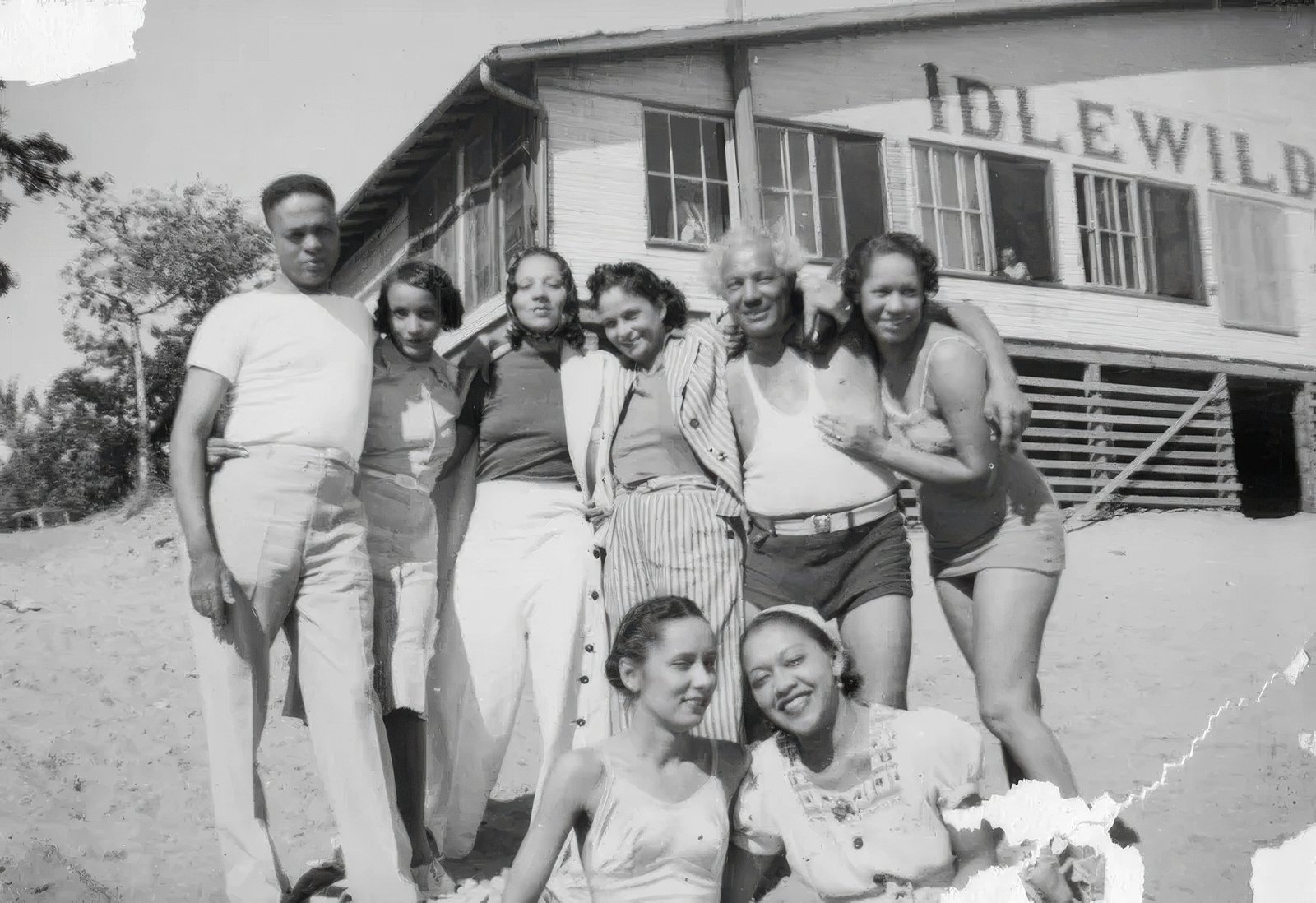
In 1912, when Black travellers were banned from public lakes, cabins, and hotels across the Midwest, a group of entrepreneurs bought nearly 3,000 acres of wilderness around Paradise Lake in western Michigan. They called it Idlewild. It became the most famous Black resort community in America.
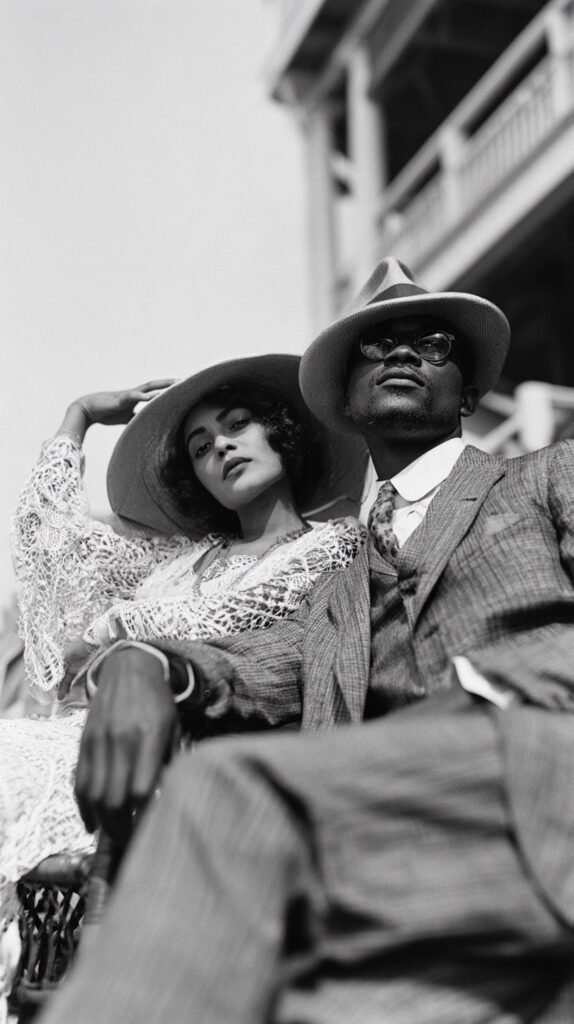
This is the story of the town they built when they weren’t allowed anywhere else.
The Birth of a Black Eden
In the early 20th century, racial segregation was not confined to the South. Northern states had their own forms of discrimination. Public lakes, beaches, cabins, and hotels routinely barred Black travelers. “Sundown towns” warned Black people to leave before nightfall. In this environment, Black middle-class families had limited options for vacation and leisure. They needed a place of their own.
In 1912, white land developers founded Idlewild as an African American resort community in Lake County, Michigan. Approximately 2,700 acres of land filled with white pine trees, wildflowers, and four lakes became the foundation of what would become a national treasure. It was one of more than 30 resorts in the country where African Americans were permitted to vacation and purchase property before such discrimination became illegal in 1964.
The Black Eden
Idlewild was called the “Black Eden”. It was a place where Black families could relax without harassment, own property, and enjoy the natural beauty of Michigan’s wilderness . They could camp, swim, boat, fish, hunt, and enjoy horseback riding.
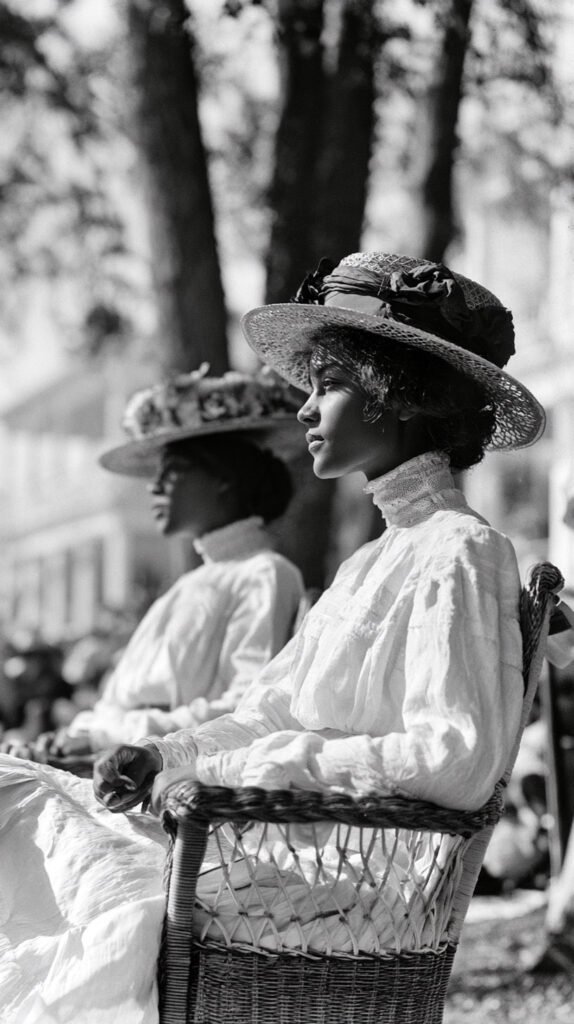
It was also a gathering place for Black identity and culture. W.E.B. Du Bois was one of the original landowners in Idlewild. Langston Hughes, Zora Neale Hurston, and Charles Chesnutt vacationed there. The town became a touchstone of Black excellence, a place where the rich, the famous, and the striving could see and be seen.
The Summer Apollo
In the 1950s and 1960s, Idlewild was called the “Summer Apollo of Michigan” . Up to 25,000 visitors flooded in every summer. They came to see Dinah Washington, Duke Ellington, Jackie Wilson, Aretha Franklin, Louis Armstrong, B.B. King, Sammy Davis Jr., Lena Horne, Stevie Wonder, and countless others perform in the town’s nine clubs.
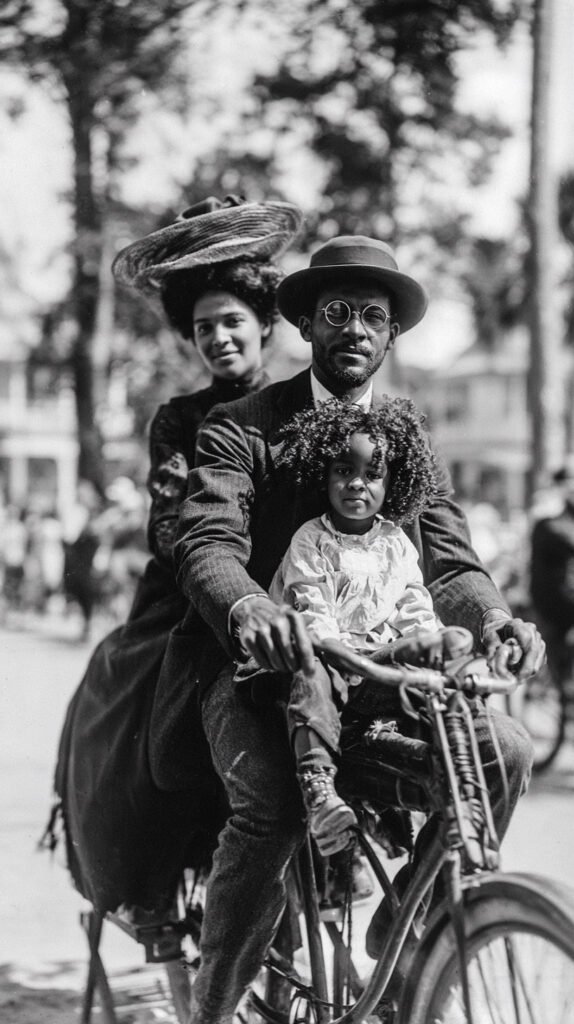
The town was a stop on the “Chitlin’ Circuit,” a series of venues that welcomed African American artists when segregation barred them from playing larger venues in more populated areas . Performers who could not stay in the hotels where they played in white communities could perform and stay at Idlewild . Arthur Braggs’s Idlewild Revue was instrumental in bringing world-class entertainment to the Paradise Club during the 1950s and 1960s .
The Decline
The Civil Rights Act of 1964 was a triumph for American democracy. It also changed Idlewild forever. Once Black travelers could stay at any resort, they no longer needed a separate one. Idlewild declined sharply. By the early 1980s, it had become a struggling retirement community in the midst of financial and political crises.
Some scholars ask: Did integration kill Idlewild? The answer is complicated. Integration was not the only factor. Lack of leadership, an incomplete infrastructure, and the passing of the founding generation all contributed. But the town’s significance cannot be measured by its decline.
The Legacy
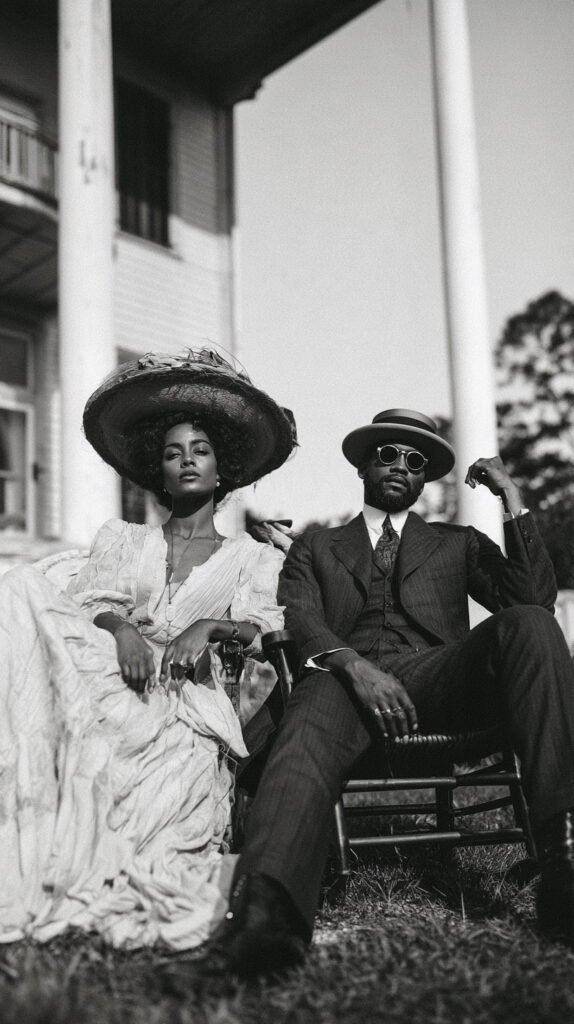
Idlewild never disappeared. It is a designated national historic site. In 2007, Governor Jennifer Granholm established the Idlewild Centennial Commission to coordinate activities commemorating the 100th anniversary of the founding of the resort community. The town’s story is being told again. And its legacy as a sanctuary of Black joy, culture, and self-determination endures.
Idlewild was not just a resort. It was a declaration. Black people built their own paradise when America refused to let them in. They bought the land. They built the clubs. They booked the biggest names in entertainment. They created a world where they could be free. That is the story of Idlewild. That is the story of the Black Eden.
Sources:
- Google Books – Idlewild: The Black Eden of Michigan (2001)
- Essence – Did You Know This Michigan Resort Town Once Drew Thousands of Black Travelers? (2025)
- WorldCat – Idlewild: The Rise, Decline, and Rebirth of a Unique African American Resort Town (2013)
- Port of Harlem – Idlewild Festival Weekend in the Former Black Eden (2019)
- Michigan.gov – Preserving Idlewild’s History: The Idlewild Public Library
- Archives of Michigan – Town and City Scenes: Idlewild
- MLive – Idlewild, the ‘Black Eden,’ marks its centennial celebration (2012)
- Duke University – Idlewild: The Rise, Decline, and Rebirth (2013)
- CTPost – Idlewild Historic and Cultural Center now open (2014)
- State of Michigan – Granholm Establishes Idlewild Centennial Commission (2007)
- National Park Service – Idlewild Centennial Commission
- MLive – Exhibit focuses on history of Idlewild resort (2008)
- Google Books – Idlewild (2013)
- WZZM13 – Holland Museum opens new Idlewild exhibit (2023)
- State of Michigan – Executive Order No. 2007-50
- Duke University – Black Eden: The Idlewild Community (2002)
Verification Table
| Key Fact | Source & Context | Status |
| Idlewild was founded in 1912 | State of Michigan Executive Order ; MLive | Verifiable |
| The community was founded by white land developers | WorldCat ; Duke University | Verifiable |
| Approximately 2,700 acres were purchased around Paradise Lake in Lake County, Michigan | State of Michigan Executive Order ; MLive | Verifiable |
| Idlewild was one of the only resorts where African Americans could purchase property and vacation before the Civil Rights Act of 1964 | Archives of Michigan ; State of Michigan | Verifiable |
| Up to 25,000 visitors came each summer | Essence ; MLive ; MLive | Verifiable |
| Idlewild was called the “Black Eden” | Google Books ; Archives of Michigan ; State of Michigan | Verifiable |
| Idlewild was called the “Summer Apollo of Michigan” in the 1950s and ’60s | Google Books | Verifiable |
| Dinah Washington, Duke Ellington, and Jackie Wilson performed at Idlewild | Port of Harlem ; CTPost | Verifiable |
| Other performers included Aretha Franklin, Louis Armstrong, B.B. King, Sammy Davis Jr., Lena Horne, Stevie Wonder, and Count Basie | Michigan.gov brochure ; CTPost | Verifiable |
| Idlewild had nine clubs where entertainers performed | Michigan.gov brochure | Verifiable |
| Idlewild was a stop on the “Chitlin’ Circuit” | CTPost | Verifiable |
| W.E.B. Du Bois, Langston Hughes, Zora Neale Hurston, and Charles Chesnutt vacationed at Idlewild | Michigan.gov brochure | Verifiable |
| W.E.B. Du Bois was one of the original landowners in Idlewild | Michigan.gov brochure | Verifiable |
| The Civil Rights Act of 1964 opened other resorts to Black travelers, leading to Idlewild’s decline | WorldCat ; MLive | Verifiable |
| By the early 1980s, Idlewild had become a struggling retirement community | WorldCat | Verifiable |
| Idlewild is a designated national historic site | Michigan.gov brochure | Verifiable |
| Idlewild was designated a historic district by the National Park Service | State of Michigan Executive Order | Verifiable |