
Oak Bluffs sits on the northern tip of Martha’s Vineyard, a small town of gingerbread cottages and quiet beaches. For most of the year, it is unremarkable. But for over a century, it has been something else: a summer refuge for Black America.
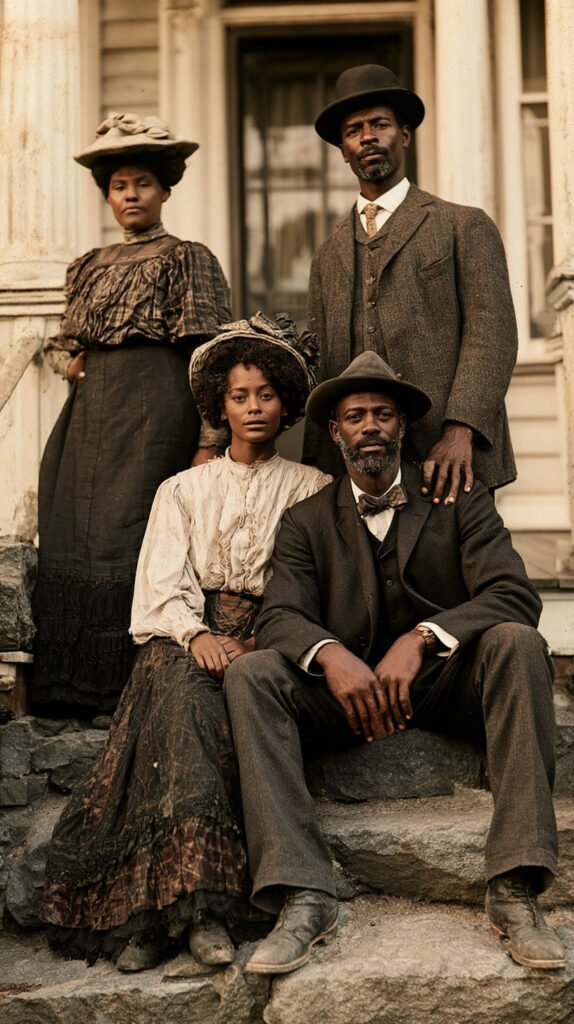
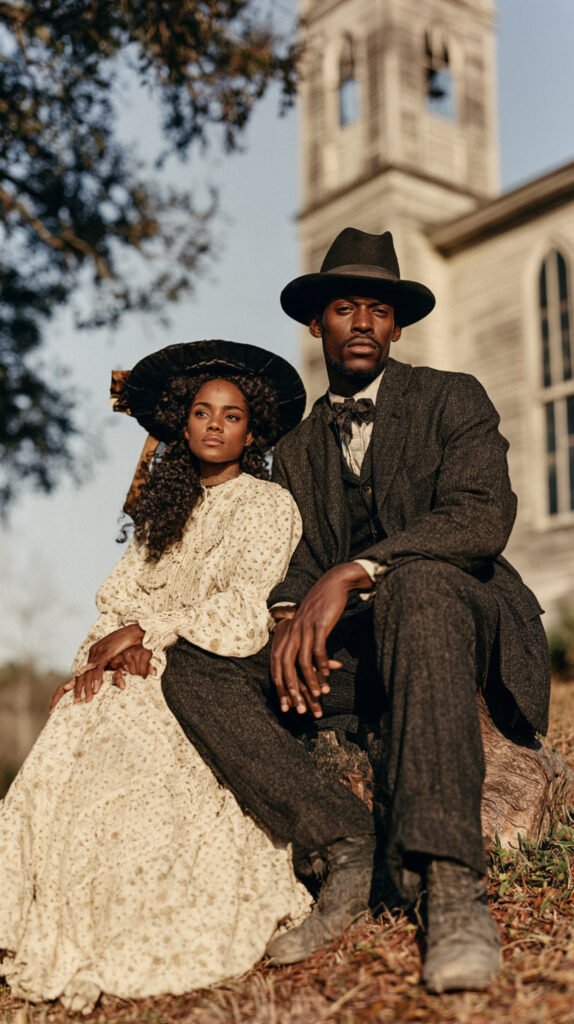
The story begins in the nineteenth century. Martha’s Vineyard was a Methodist camp meeting ground, and white property owners began selling land to freed slaves and Black laborers who worked for wealthy summer residents . By the early 1900s, a Black community had taken root. It was not a planned community. It was not a utopia. But it was a place where Black families could buy property, build homes, and spend their summers in relative peace.
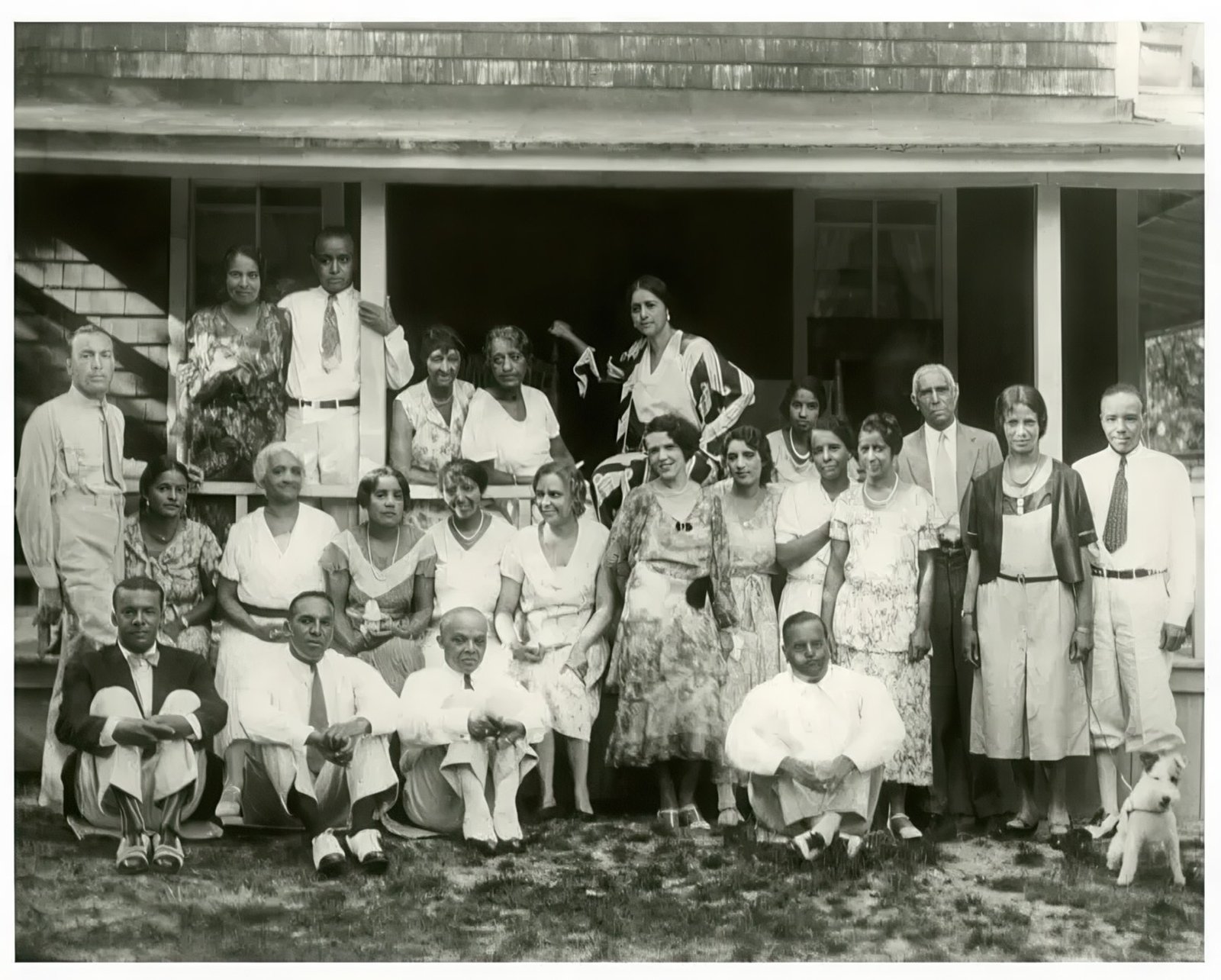
The institutional anchor of this community was Shearer Cottage. Charles Shearer was a former slave from Virginia who first came to the island with his Baptist church group. His wife, Henrietta, opened a laundry in 1903. In 1912, they converted it into an inn. It was the first guest house on the island to cater specifically to African Americans, and it was listed in the Negro Motorist Green Book as a safe place to sleep.
The guest roster reads like a who’s who of Black America. Madam C. J. Walker, the first American woman to become a self-made millionaire, stayed there. So did Paul Robeson, the singer and activist. Ethel Waters, the actress and singer. Lillian Evanti, the opera singer. Shearer Cottage was more than a hotel. It was a network, a place where connections were forged and community was sustained.
And then there was the beach. A small stretch of sand on Nantucket Sound, just down the road from Shearer Cottage. They called it the Inkwell. The name’s origins are disputed. Some say it honored the Black writers and intellectuals who gathered there. Others say it was a racist term used by white people for Black beaches, later reclaimed by the community. Either way, it became the symbolic heart of Black Oak Bluffs.
Martin Luther King Jr. swam at the Inkwell . The King family summered in Oak Bluffs in 1962, hosted by Harlem union leader Joe Overton at his cottage on Seaview Avenue. Overton wanted to share his porch and his home with those in the movement, offering rest and a place to “retool the movement strategy”. The beach was later the subject of a 1994 film, “The Inkwell,” and has been featured in National Geographic.
Oak Bluffs was never a Black town. Its Black population was always a minority. But it was a place where race mattered less. As one resident told the Boston Globe, Oak Bluffs was “one of the first places where this burgeoning middle class, this precious pocket of African-Americans, seemed to be able to grow businesses, attain wealth, and pass on things to their children”.
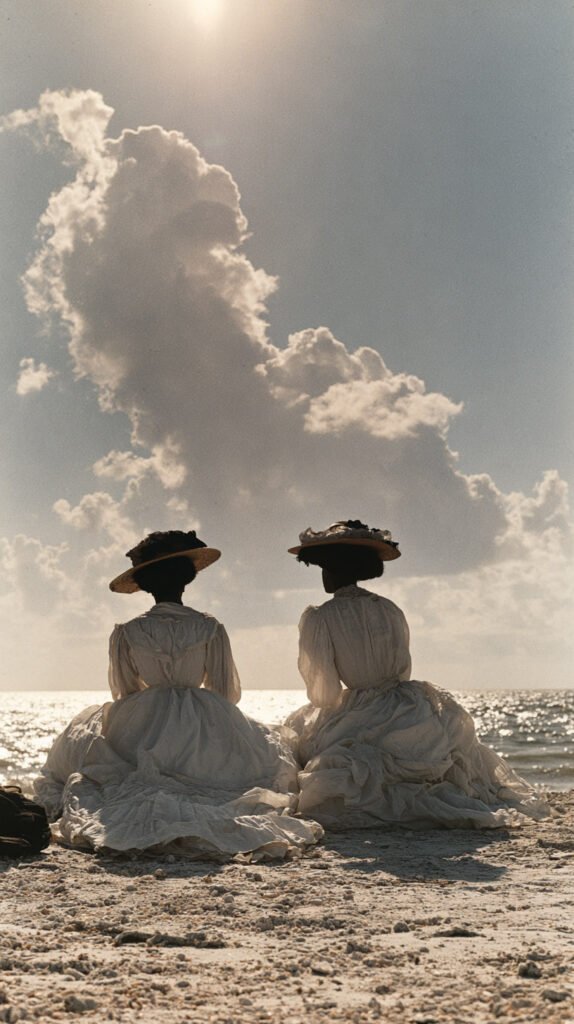
The community’s survival depended on Black-owned institutions. Shearer Cottage. The churches. The social clubs. The Cottagers, the proud owners of Oak Bluffs’ famous Gingerbread cottages. These institutions created a parallel infrastructure of welcome in a country that offered little. They made Oak Bluffs a refuge.
Today, Oak Bluffs is as popular as it has ever been. Ralph Lauren released a collection centered around the town in 2025. The Obamas vacation on the island. The Inkwell is still a gathering place, still photographed, still loved. The Polar Bears, a die-hard group that swims every summer morning at 7:30, still plunge into the water.
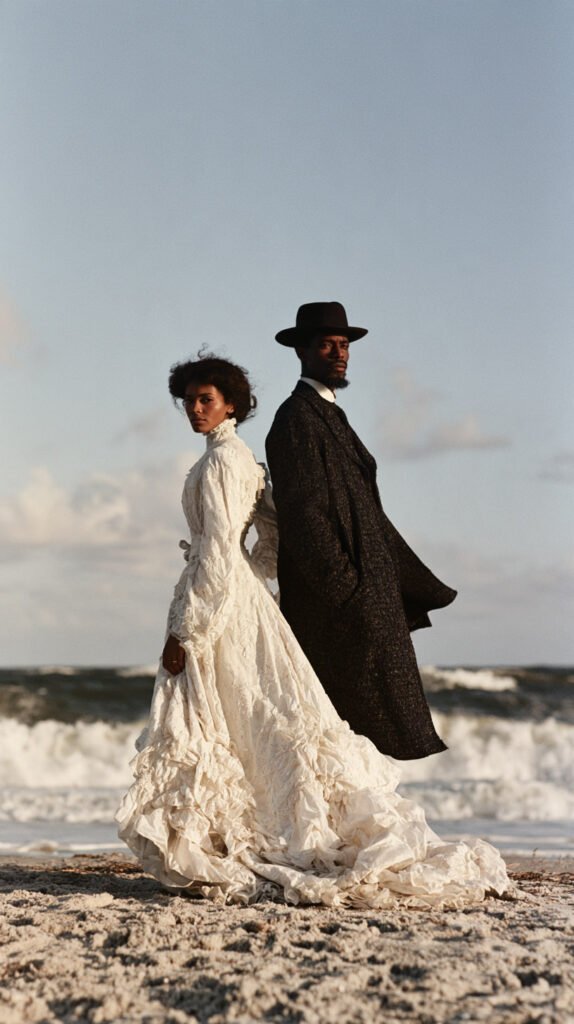
But the history is not just about celebrities and vacations. It is about a community that built its own institutions, bought its own land, and created its own space in a society that denied them access to public beaches and public accommodations. Oak Bluffs was not an escape from racism. It was a place where Black people could live, for a few months each year, on their own terms.
That is the legacy of Oak Bluffs. Not the famous names, though they matter. But the quiet determination of families who bought land, opened businesses, and built a community that has survived for over a century.
Sources:
- National Geographic, “These Black resort towns, from Oak Bluffs to American Beach, are still refuges today,” 29 August 2025
- The Boston Globe, “Claiming land and water on Martha’s Vineyard,” 6 February 2021
- BlackPast.org, “The Inkwell, Martha’s Vineyard (1890s- ),” 7 February 2013
- The Root, “Historic Black Facts Behind The Controversial Ralph Lauren Oak Bluffs Collection,” 28 July 2025
- The Vineyard Gazette, “Oak Bluffs Town Column: Week Ending Jan. 23,” 22 January 2026
- The Vineyard Gazette, “Oak Bluffs Town Column: May 9,” 6 May 2014
- CS Monitor, “Obama’s vacation spot has strong links to black history,” 23 August 2009
- Jill Nelson, Finding Martha’s Vineyard: African Americans at Home on an Island (Doubleday, 2005)
- Smithsonian Institution, “Oak Bluffs Holiday mecca for East Coast blacks” (Boston Globe clipping, 5 July 1983)
- The Vineyard Gazette, “Oak Bluffs Town Column: July 27,” 25 July 2012
Verification Table
| Key Fact | Source & Context | Status |
| Oak Bluffs is located on Martha’s Vineyard, Massachusetts | Multiple sources | Verifiable |
| In the 1800s, white property owners sold land to freed slaves and Black laborers | Boston Globe | Verifiable |
| Black servants of white summer residents bought land in Cottage City (now Oak Bluffs) | CS Monitor | Verifiable |
| Oak Bluffs became a premier African American resort destination in the early 1900s | National Geographic | Verifiable |
| Shearer Cottage was the first guest house on the island catering specifically to African Americans | Boston Globe ; BlackPast.org | Verifiable |
| Charles Shearer was a former slave from Virginia who first came to the island with his Baptist church group | CS Monitor | Verifiable |
| Henrietta Shearer opened a laundry in 1903; Shearer Cottage opened as an inn in 1912 | BlackPast.org | Verifiable |
| Shearer Cottage was listed in the Negro Motorist Green Book | Boston Globe | Verifiable |
| Madam C. J. Walker stayed at Shearer Cottage | The Root ; CS Monitor | Verifiable |
| Paul Robeson and Ethel Waters stayed at Shearer Cottage | The Root | Verifiable |
| Ethel Waters and Madam C. J. Walker were drawn to Oak Bluffs | National Geographic | Verifiable |
| The Inkwell is a historically Black beach in Oak Bluffs | Boston Globe ; Vineyard Gazette | Verifiable |
| Martin Luther King Jr. swam at the Inkwell | Vineyard Gazette | Verifiable |
| The King family summered in Oak Bluffs in 1962, hosted by Joe Overton | Vineyard Gazette | Verifiable |
| The name “Inkwell” may refer to Black writers/intellectuals or be a reclaimed racist term | Boston Globe | Debated |
| Oak Bluffs is not predominantly Black but has rich Black history | Boston Globe | Verifiable |
| Oak Bluffs was incorporated as Cottage City in 1880; renamed Oak Bluffs in 1907 | General historical record | Verifiable |
Achievements, Awards & Commemorations
| Commemoration | Date | Details |
| Shearer Cottage | 1912 (laundry 1903) | Oldest Black-owned inn on Martha’s Vineyard; still family-operated into 21st century |
| The Inkwell | Late 1800s–present | Historically Black beach; subject of 1994 film “The Inkwell”; featured in National Geographic |
| Martha’s Vineyard African American Heritage Trail | Ongoing | Includes Shearer Cottage and Dorothy West Home as stops |
| Ralph Lauren Collection | 2025 | Collection centered around Oak Bluffs, bringing national attention to its history |
| Presidential Visits | 2009–2016 | Obama family vacations brought media attention to Oak Bluffs’ Black history |