
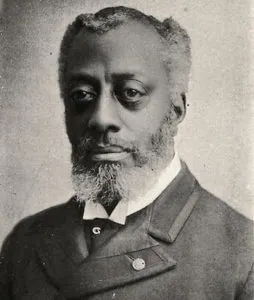
In the winter of 1892, Major Charles Douglass and his wife Laura made a reservation for dinner at the Bay Ridge Hotel on the Chesapeake Bay. Charles was the youngest son of Frederick Douglass. He was a Harvard graduate, a Civil War veteran who had fought with the 54th Massachusetts Infantry. His family belonged to Washington’s “Black Four Hundred”, the city’s elite circle of educated, affluent African Americans.
The maître d’ refused to seat them. The reason was their race.
Douglass was stunned, then furious. He had spent his life believing that education, service, and respectability would earn Black Americans their place in white society. The refusal at Bay Ridge shattered that belief. But it also sparked an idea.
Crossing a narrow channel—the mouth of Black Walnut Creek, Douglass encountered a Black farmer named Brashears who owned land on the other side. The two men talked. Over the next several months, an arrangement was worked out. In the spring of 1893, with financial assistance from his father, Charles Douglass purchased twenty-six and two-thirds acres of the Brashears estate.
He called it Highland Beach.
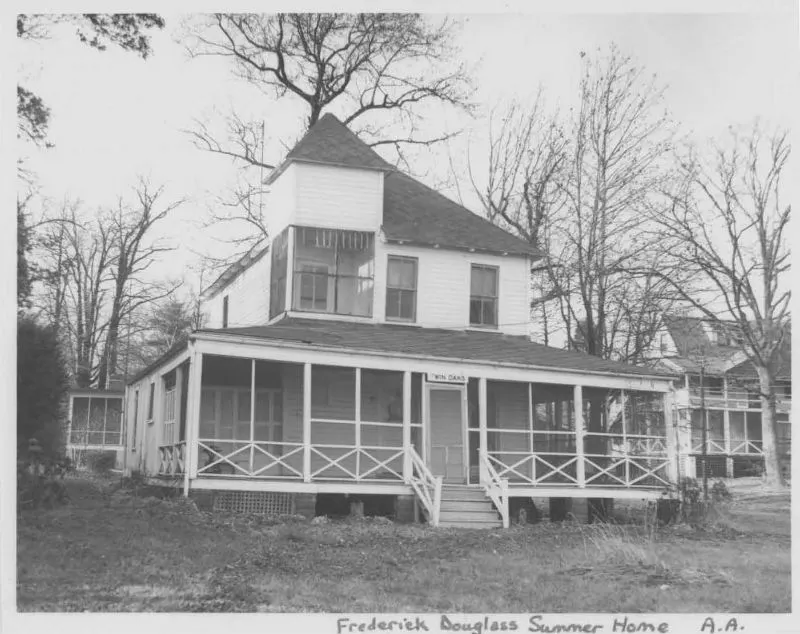
Douglass subdivided the land into building lots. By 1894, fifty-two summer cottages were standing. He built one for himself and one for his father. The cottage for Frederick Douglass was designed with a second-floor balcony facing the Eastern Shore, so that, as the elder Douglass put it, “as a free man I could look back across the bay to the land where I was born a slave”.
Frederick Douglass died in February 1895, before the cottage was completed. He never lived in it. But his presence was felt in every corner of the community his son had built.
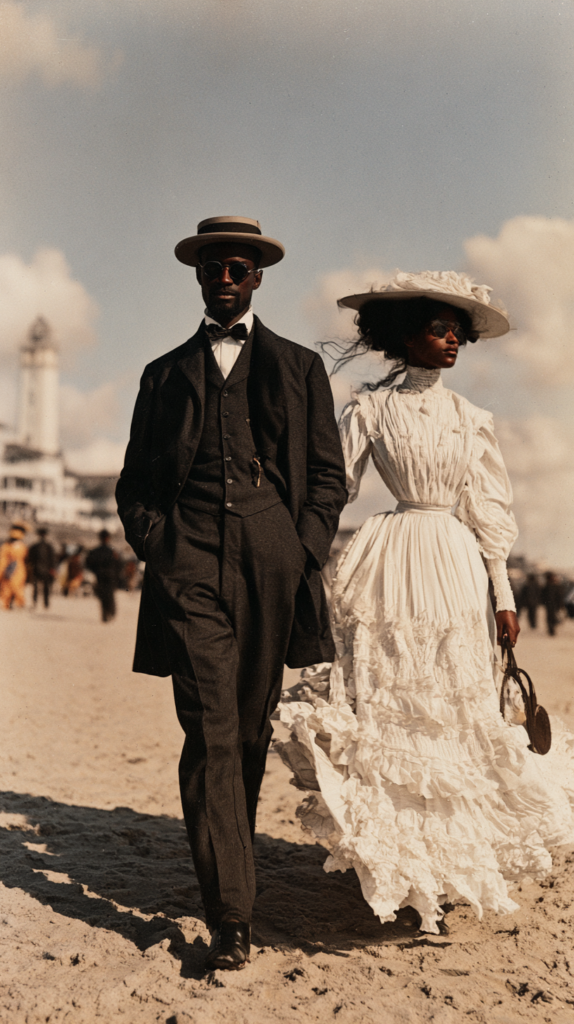
Highland Beach became a summer gathering place for Black intellectuals, activists, and artists. Booker T. Washington, the educator and advisor to presidents. W. E. B. Du Bois, the sociologist and civil rights leader. Paul Laurence Dunbar, the poet. Mary Church Terrell, the educator and suffragist, and her husband Robert Terrell, the first Black municipal judge in Washington. Paul Robeson, the singer and actor. Langston Hughes, the poet. And later, Alex Haley, whose book Roots would become a national sensation.
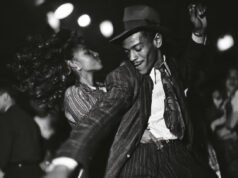
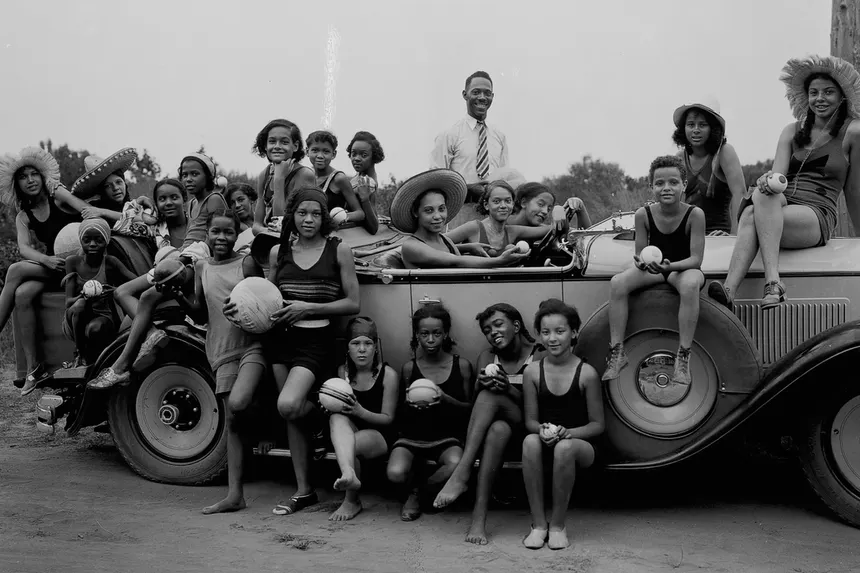
The community was more than a resort. It was a network. Residents and guests gathered for concerts, dancing, card games, and conversation. They swam, boated, fished, and crabbed. They built a world apart from the humiliations of Jim Crow.
In 1922, the residents incorporated Highland Beach as a town. It became the first African American municipality in Maryland, and the only incorporated jurisdiction in Anne Arundel County outside of Annapolis . Haley Douglass, Charles’s son, emerged as the community’s leader. He served as commissioner and mayor for decades. As one resident recalled, “He really loved the place and could have sold major portions to racketeers many times, but he didn’t, and he died a poor man” .
The legal strategies that preserved Highland Beach were creative and necessary. By purchasing from a Black family, Charles Douglass circumvented racial covenants. By incorporating, the residents created a self-governing municipality with the authority to control access. Haley Douglass defended the strict entry requirements, arguing that the failure of cities to provide adequate recreational facilities for Black people placed “upon us the burden of protecting our property from roving trespassers”.
Highland Beach remains a residential community today. There are approximately eighty homes, many still owned by descendants of the original families. The Douglass Summer House, known as “Twin Oaks,” is now the Frederick Douglass Museum and Cultural Center. The town does not permit commercial establishments. It is not a tourist destination. It is a home.
In 2023, Governor Wes Moore and First Lady Dawn Moore visited Highland Beach for its 130th anniversary celebration. The governor called it “an oasis for Black Americans along the Chesapeake Bay”.
Highland Beach was born from a single insult. A man was refused a table because of his skin. He responded not with anger alone, but with action. He bought the land next door and built a community where Black families could gather in dignity and peace. More than a century later, that community still stands.
Sources:
- Maryland State Archives, “Highland Beach.” Guide to Government Records. https://guide.msa.maryland.gov/pages/item.aspx?ID=TE62-36-1
- Office of Governor Wes Moore, “Governor and First Lady Moore Visit the Historic Highland Beach for the 130th Anniversary Celebration,” 2 September 2023. https://governor.maryland.gov/news/press-releases/governor-and-first-lady-moore-visit-historic-highland-beach-130th-anniversary-celebration
- De Gruyter, “Highland Beach, Anne Arundel County: ‘A Summer Colony.'” https://www.degruyterbrill.com/document/doi/10.1515/9780820367699-008/html
- National Park Service, “Douglass Summer House.” National Register of Historic Places. https://npgallery.nps.gov/GetAsset/b8863aef-6cad-44b9-addb-f4879b7409e1/
- Town of Highland Beach, “A Brief History of Highland Beach.” https://www.highlandbeachmd.org/town-history
- Smithsonian Magazine, “When Private Beaches Served as a Refuge for the Chesapeake Bay’s Black Elite,” 6 June 2023. https://www.smithsonianmag.com/history/when-private-beaches-served-as-a-refuge-for-the-chesapeake-bays-black-elite-180982296/
- SAH Archipedia, “Douglass Summer House.” https://sah-archipedia.org/buildings/MD-01-WS83
- The New York Times, “A Welcoming Enclave With Roots in a Snub,” 2 September 2009. https://www.nytimes.com/2009/09/04/greatestatesanddestinations/04Highland.html
- Historical Marker Database, “Highland Beach Maryland.” https://www.hmdb.org/m.asp?m=288644
- Historical Marker Database, “Twin Oaks.” https://www.hmdb.org/m.asp?m=6173
Verification Table
| Key Fact | Source & Context | Status |
| Highland Beach is located in Anne Arundel County, Maryland, on the Chesapeake Bay | Maryland State Archives; Town of Highland Beach | Verifiable |
| Founded by Major Charles Remond Douglass, youngest son of Frederick Douglass | Maryland State Archives; Town of Highland Beach; SAH Archipedia | Verifiable |
| Charles Douglass was a Civil War veteran (54th Massachusetts Infantry) | De Gruyter (scholarly chapter); SAH Archipedia | Verifiable |
| Charles Douglass was a Harvard graduate | De Gruyter | Verifiable |
| In 1892, Charles and his wife Laura were turned away from the Bay Ridge Hotel restaurant because of their race | De Gruyter; Town of Highland Beach; NYT | Verifiable |
| In spring 1893, Douglass purchased 26.67 acres (with financial assistance from his father) from the Brashears family | Town of Highland Beach; De Gruyter | Verifiable |
| Douglass subdivided the land into building lots; 52 cottages were standing by 1894 | De Gruyter | Verifiable |
| Frederick Douglass designed a cottage for himself with a second-floor balcony facing the Eastern Shore | National Park Service; SAH Archipedia | Verifiable |
| Frederick Douglass died in 1895 before the cottage was completed | Town of Highland Beach; SAH Archipedia | Verifiable |
| Highland Beach became a gathering place for prominent Black Americans | Town of Highland Beach; Maryland State Archives | Verifiable |
| Residents and guests included Booker T. Washington, W. E. B. Du Bois, Paul Laurence Dunbar, Paul Robeson, Mary Church Terrell, Langston Hughes, Alex Haley | Town of Highland Beach; Smithsonian Magazine; SAH Archipedia | Verifiable |
| Highland Beach was incorporated in 1922 | Town of Highland Beach; SAH Archipedia | Verifiable |
| It became the first African American municipality in Maryland | Town of Highland Beach; Office of Governor Wes Moore; Maryland State Archives | Verifiable |
| It is the only incorporated jurisdiction in Anne Arundel County outside of Annapolis | SAH Archipedia; Maryland State Archives | Verifiable |
| It is believed to be the first African American summer resort in the United States | Town of Highland Beach; Maryland State Archives | Debated (attributed) |
| The community remains residential, with descendants of original families still living there | Town of Highland Beach | Verifiable |
| The Douglass Summer House (Twin Oaks) is now the Frederick Douglass Museum and Cultural Center | Town of Highland Beach; Historical Marker Database | Verifiable |
Achievements, Awards & Commemorations
| Commemoration | Date | Details |
| First African American Municipality in Maryland | 1922 | Incorporated; first Black town in the state |
| First African American Summer Resort in the United States | 1893 | Believed to be the first Black-owned resort community in the nation |
| Douglass Summer House (Twin Oaks) | 1894-95 | National Register of Historic Places; now Frederick Douglass Museum and Cultural Center |
| Historical Markers | 2008-2026 | Multiple markers at Highland Beach documenting its history |
| Governor’s Visit | September 2023 | Governor Wes Moore and First Lady visited for 130th anniversary celebration |
| Descendants’ Stewardship | Ongoing | Many homes still owned by descendants of original settlers |