

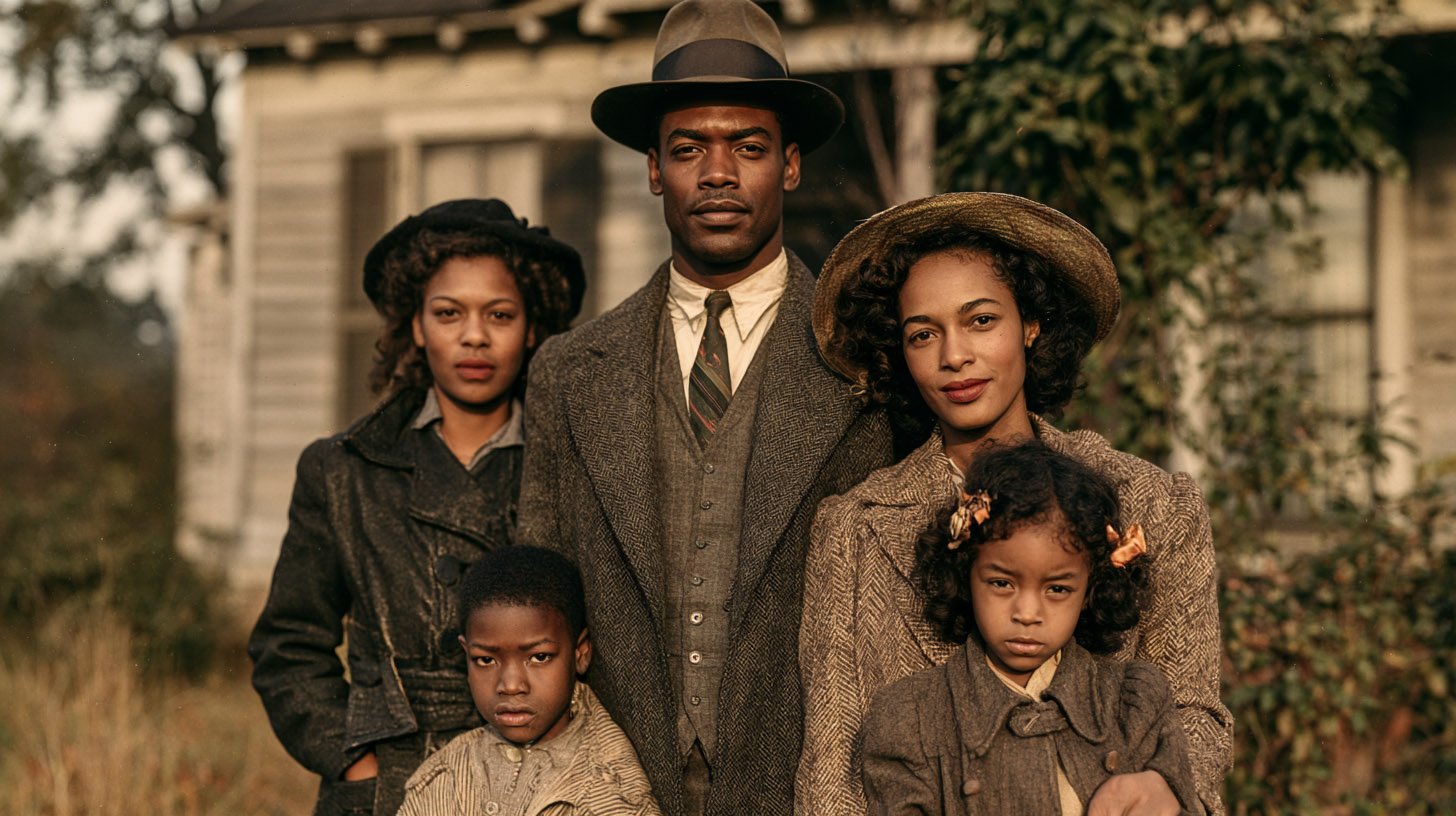
In 1947, a Brooklyn schoolteacher named Maude Terry had an idea. She wanted a summer community where Black families could own homes near the water. She wanted a place where her children could swim and play without being turned away because of the color of their skin.
She enlisted her sister, Amaza Lee Meredith, one of the first professional Black women architects in America. Together, they approached a local landowner named Daniel Gale, who was struggling to sell what was then considered undesirable woodland on the edge of Sag Harbor. They arranged for the subdivision and sale of twenty acres. They called it Azurest.
Other subdivisions followed. Sag Harbor Hills. Ninevah Beach. Together, they became known as SANS.
This was the Jim Crow era. Black families were excluded from beaches and resorts across Long Island. Redlining and discriminatory housing practices made property ownership difficult. But Sag Harbor was different. Here, African Americans could buy land and build something of their own.
The first homes were modest. Bungalows and ranch houses. Working-class families and professionals. Doctors, lawyers, teachers, artists. More than three hundred Black families eventually purchased homes in the area.
SANS became a cultural gathering place. Lena Horne. Harry Belafonte. Langston Hughes. Duke Ellington. They all spent time here, shaping the community’s reputation as a vibrant summer destination. The community was not just a resort. It was a network. A place where Black excellence was simply normal.
It was also a bastion of the Civil Rights Movement. The communities provided a space where Black activists and intellectuals could rest, organize, and strategize. As Preservation Long Island notes, SANS “quickly emerged as a popular African American leisure destination and a bastion of the burgeoning Civil Rights Movement”.
The path to historic recognition was long. For decades, the history of SANS was largely unknown outside the community. That began to change when residents organized. A community-based SANS Steering Committee, chaired by homeowner Renee V. H. Simons, led the effort. Dr. Georgette Grier-Key of the Eastville Community Historical Society served as an advisor. The project was self-funded by SANS residents, with additional grant support from Preservation League of New York State and the Robert David Lion Gardiner Foundation.
In June 2019, Senator Kirsten Gillibrand wrote to the Secretary of the Interior supporting the nomination. She noted that SANS was “among the very few beach communities on the East Coast founded by African-Americans” and that the area featured historic properties developed by Black architect Amaza Lee Meredith.
On 10 July 2019, SANS was added to the National Register of Historic Places . At the time, only about two percent of the Register’s ninety-five thousand entries formally recognized the historical contributions and experiences of African Americans.
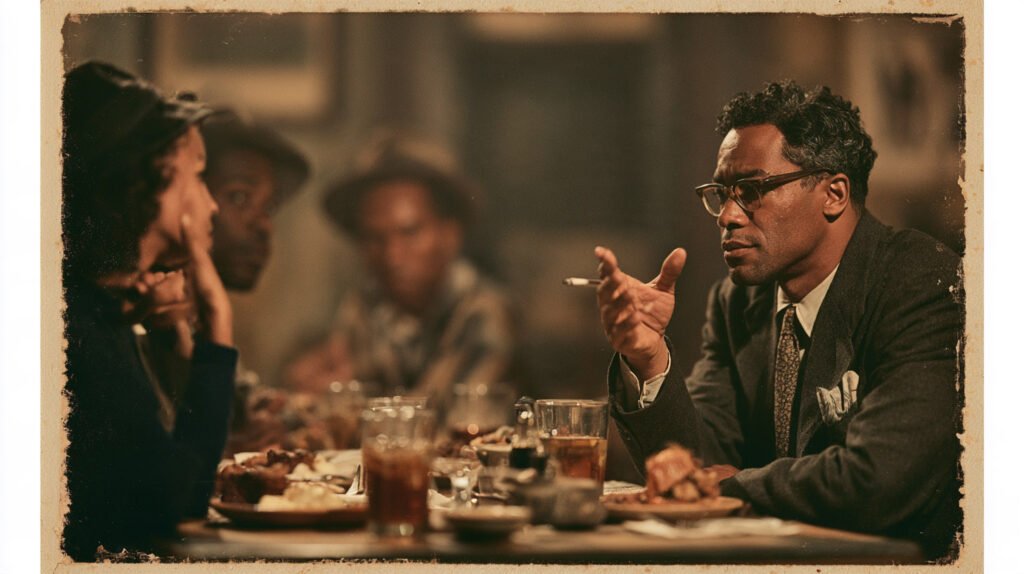
The listing was a victory. But it also highlighted a new challenge. Rising property values across the Hamptons have made SANS attractive to investors and speculators. Long-term residents worry that the community’s character is being eroded. In 2022, the Sag Harbor Village Board established the Historically Black Beachfront Communities Overlay District to protect the area’s essential characteristics.
The SANS story is not just about real estate. It is about what Black people built when they were excluded from everything else. It is about a schoolteacher and an architect who refused to accept segregation. It is about generations of families who passed down their homes, their stories, and their pride.
Today, SANS remains a community. Not a museum. Not a monument. A place where people still live, still gather, still remember. The descendants of the founders are still there. Still holding on.
Sources:
- Preservation Long Island, “2020 Project Excellence Award: SANS National Register Survey & Nomination,” 4 June 2020. https://preservationlongisland.org/2020-project-excellence-award-sans-national-register-survey-nomination/
- The New York State Museum, “Eastville Community Historical Society’s Efforts Result in a Nomination to the State and National Registers of Historic Places,” 21 March 2019. https://nysm.nysed.gov/research-collections/state-history/news/eastville-community-historical-societys-efforts-result
- Senator Kirsten Gillibrand, “Gillibrand Calls For Sans Historic District in Suffolk County to Be Placed On the National Register of Historic Places,” 16 June 2019. https://www.gillibrand.senate.gov/news/press/release/gillibrand-calls-for-sans-historic-district-in-suffolk-county-to-be-placed-on-the-national-register-of-historic-places/
- National Park Service, NPGallery Asset Detail: Sag Harbor Hills, Azurest, and Ninevah Beach Subdivisions Historic District. https://npgallery.nps.gov/AssetDetail/9f284ea0-f588-4259-810e-097349611004
- I Love NY, “Exploring the Historic Communities of the Black Hamptons,” 5 May 2026. https://www.iloveny.com/stories/blog/post/exploring-the-historic-communities-of-the-black-hamptons/
- CBS News, “Historically Black beach communities on Long Island working to protect area’s unique character,” 7 February 2023. http://www.cbsnews.com/newyork/news/sag-harbor-hills-azurest-nineveh-subdivisions-long-island-historically-black-beach-communities/
- Sag Harbor Village, “Resolution Setting Public Hearing to Consider Local Law Establishing the Historic Black Beachfront Communities Overlay District,” 2022. https://sagharborny.gov/DocumentCenter/View/1629/LL–_-of-2022-Establishing-the-Historic-Black-Beachfront-Communities-Overlay-District
- The New York Times, “A Resort Community Whose Residents Just Happen to Be Black,” 20 July 1969. http://www.nytimes.com/1969/07/20/archives/a-resort-community-whose-residents-just-happen-to-be-black.html
- The Boston Globe, “Historically black beach enclaves are fighting to save their history and identity,” 22 August 2017. https://www.bostonglobe.com/lifestyle/2017/08/22/historically-black-beach-enclaves-are-fighting-save-their-history-and-identity/
- The Daily Beast, “The Great Summer Read Is Here,” 18 February 2009. https://www.thedailybeast.com/the-great-summer-read-is-here/
Verification Table
| Key Fact | Source & Context | Status |
| SANS stands for Sag Harbor Hills, Azurest, and Ninevah Beach Subdivisions | NY State Museum; Preservation Long Island | Verifiable |
| Located in Sag Harbor, Suffolk County, Long Island, New York | NY State Museum; National Park Service | Verifiable |
| Azurest established circa 1947–1948 | NY State Museum; I Love NY | Verifiable |
| Sag Harbor Hills established circa 1950 | NY State Museum | Verifiable |
| Ninevah established circa 1952 | NY State Museum | Verifiable |
| Founded by African American families seeking summer respite during Jim Crow era | Preservation Long Island; Senator Gillibrand | Verifiable |
| Maude Terry, a Brooklyn schoolteacher, envisioned the community | I Love NY; CBS News; Daily Beast | Verifiable |
| Maude Terry worked with her sister, Amaza Lee Meredith | I Love NY; CBS News | Verifiable |
| Amaza Lee Meredith was one of the first professional African American women architects | Senator Gillibrand; Preservation Long Island | Verifiable |
| Daniel Gale, a landowner struggling to sell woodland, partnered with the sisters | CBS News | Verifiable |
| SANS became a popular African American leisure destination | Preservation Long Island | Verifiable |
| SANS was a bastion of the burgeoning Civil Rights Movement | Preservation Long Island | Verifiable |
| More than 300 Black families purchased homes in the area | I Love NY | Verifiable |
| Lena Horne, Harry Belafonte, Langston Hughes, and Duke Ellington spent time in Sag Harbor | I Love NY | Verifiable |
| SANS was added to the National Register of Historic Places on July 10, 2019 | National Park Service; Wikipedia | Verifiable |
| At the time of listing, only about 2% of National Register entries recognised African American history | Preservation Long Island | Verifiable |
| The nomination was community-led and self-funded by SANS residents | Preservation Long Island; NY State Museum | Verifiable |
| The SANS Historic District comprises approximately 154.22 acres | Sag Harbor Village resolution | Verifiable |
Achievements, Awards & Commemorations
| Commemoration | Date | Details |
| National Register of Historic Places | 10 July 2019 | SANS Historic District listed; reference #100004217 |
| New York State Historic Preservation Award | 2019 | Awarded to SANS Steering Committee and advisors |
| Preservation Long Island Project Excellence Award | 2020 | For SANS National Register Survey & Nomination |
| Historically Black Beachfront Communities Overlay District | 2022 | Sag Harbor Village established zoning overlay to protect community character |