
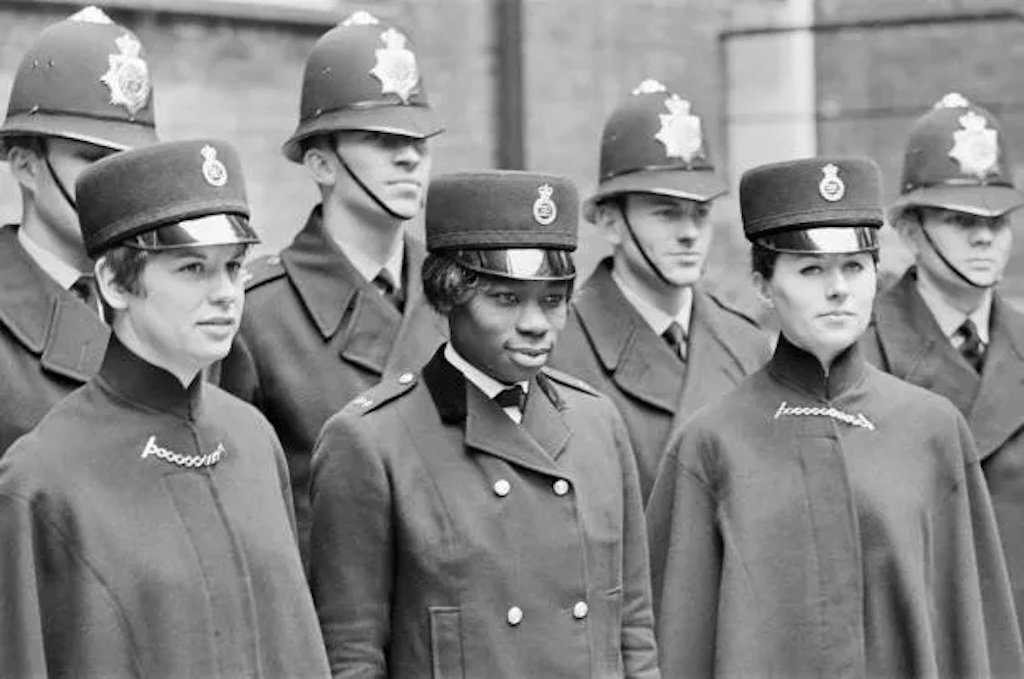
Sislin Fay Allen was on her lunch break at Queen’s Hospital in Croydon when she saw the advert. It was 1968. The Metropolitan Police was recruiting male and female officers. She cut the advert out, put it in her pocket, and filled out the application when she got home.
She was thirty years old, a state enrolled nurse, a wife, and a mother of two. She had come to Britain from Jamaica in the early 1960s, part of the Windrush generation. She had built a life in Croydon. She was not looking for history. She was looking for a change.
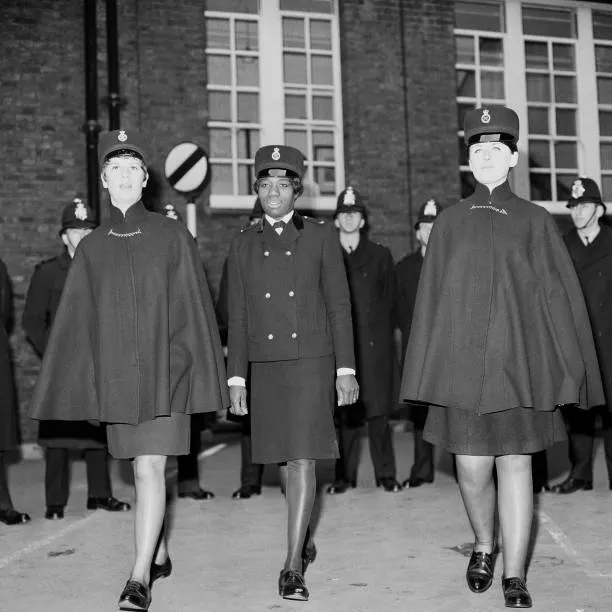
When the application forms arrived, she filled them out carefully. And then, at the bottom, she added a note. She wrote that she was a Black woman. She wanted the force to know before they saw her face. “I didn’t want that if I had succeeded and when they saw me, they didn’t know I was black,” she later explained.
She was invited for an interview. The hall was filled with young men. There were ten women. She was the only Black person in the room . She sat the exams, passed the medical, and was accepted. She trained at Peel House. On her first day, reporters descended. She nearly broke a leg trying to run from them. “I realised then that I was a history maker,” she said. “But I didn’t set out to make history; I just wanted a change of direction”.
Her first posting was Fell Road police station in Croydon, near where she lived with her family. She walked the beat. People were curious to see a Black woman in uniform. But she said she had no problems from the public.
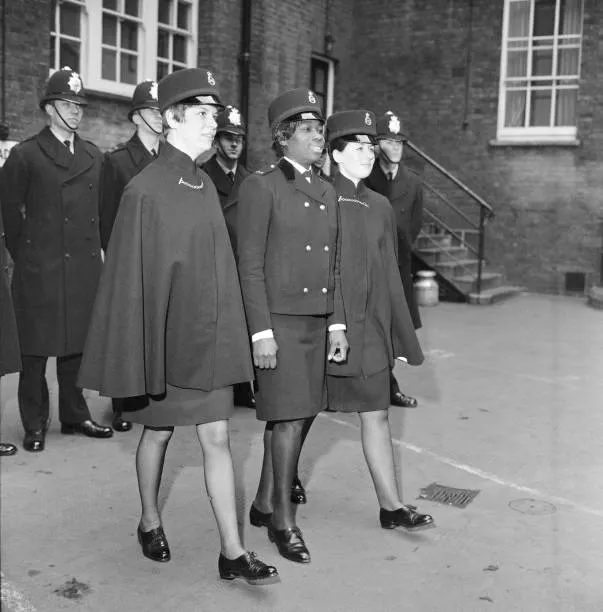
The problems came from elsewhere. The Met received hate mail about her appointment. She faced scrutiny and prejudice. And, ironically, some of the first resistance came from her own community. “Many of us, as you well know, have some sort of perception of the police that isn’t all that good,” she said. “I was asked how I could leave nursing and join the police force. It was like joining something degrading”.
She understood that perception. She did not argue with it. She just did the job.
After a year in Croydon, she was posted to the Missing Persons Bureau at Scotland Yard. Later she transferred to Norbury police station. She served four years in total. In 1972, she resigned due to family commitments and returned to Jamaica with her husband and children.
She joined the Jamaica Constabulary Force. She received a welcoming letter from the Prime Minister, Michael Manley. She continued in policing, then later returned to the UK for a period before retiring to Jamaica for good.
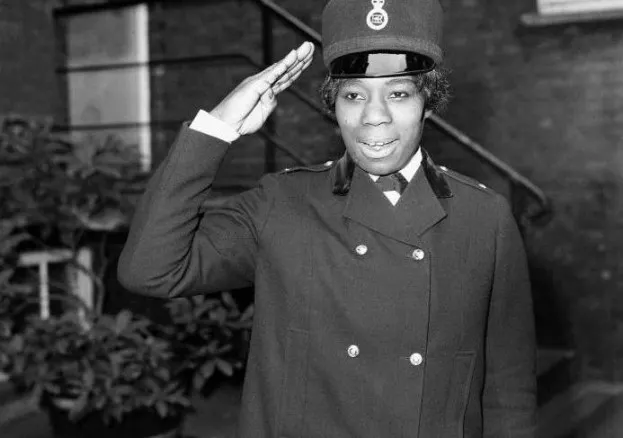
For decades, her story was known mainly to those who had followed the history of Black British policing. That changed in 2020. Sky News visited her in Jamaica for Black History Month. The National Black Police Association gave her a lifetime achievement award at a virtual ceremony . She was humbled. “I wasn’t expecting anything like this,” she said. “It has been such a long time, but it is better to be late than never. I remain happy that I did what I did”.
Andy George, president of the NBPA, said her contribution could not be underestimated. “The courage that trailblazers like her showed in joining the police service allowed others to follow a career in policing”.
In 2022, the College of Policing named a new training centre after her. The Sislin Fay Allen Centre is used for training officers and staff from across all levels of policing. Chief Constable Andy Marsh said: “Sislin was a pioneer and her service has inspired others to join policing and fight crime”.
Her daughter, Paula Allen, spoke at the naming. “She didn’t set out to be a trailblazer,” she said. “She didn’t set out to be the first in anything. It’s just something that she had wanted to do for a very long time”.
Sislin Fay Allen died on 5 July 2021, at her home in Ocho Rios, Jamaica. She was 83 years old. Metropolitan Police Commissioner Dame Cressida Dick called her “a pioneer of her time and an inspiration for many”.
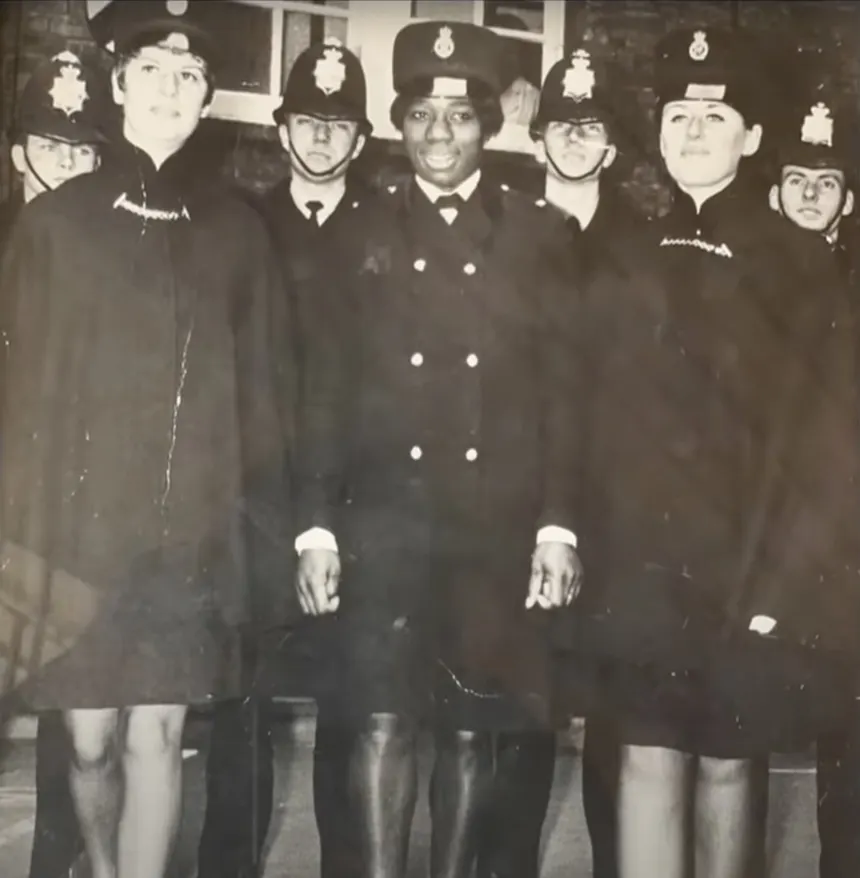
She was a nurse who became a police officer. She was a Jamaican who became British. She was a woman who walked into a room full of men and sat down for the exam. She did not set out to make history. She just wanted to do the job.
That is what makes her story worth telling.
Sources:
- College of Policing, “Training centre honours first Black female police officer in the UK,” 26 October 2022. https://production.copweb.aws.college.police.uk/article/training-centre-honours-first-black-female-police-officer-uk
- The National Archives, “Sislin Fay Allen.” https://www.nationalarchives.gov.uk/education/resources/significant-people-collection/sislin-fay-allen/
- BBC News, “Sislin Fay Allen: Britain’s first black policewoman dies aged 83,” 5 July 2021. https://www.bbc.com/news/uk-england-london-57742700
- Metropolitan Police, “Sislin Fay Allen: celebrating our policewomen.” https://www.met.police.uk/cy-GB/heddluoedd/metropolitan-police/areas/campaigns/2018/celebrating-100-years-of-women-policing-in-london/100-years-strong/sislin-fay-allen/
- Sky News, “Sislin Fay Allen: Britain’s first black policewoman dies in Jamaica,” 5 July 2021. https://news.sky.com/story/sislin-fay-allen-britains-first-black-policewoman-dies-in-jamaica-12349541
- Black History Month UK, “Sislin Fay Allen: Britain’s first black policewoman dies in Ocho Rios, Jamaica,” 5 July 2021. https://www.blackhistorymonth.org.uk/article/section/news/sislin-fay-allen-britains-first-black-policewoman-dies-at-in-ocho-rios-jamaica/
- The Washington Post, “Sislin Fay Allen, first Black policewoman in Britain, dies at 83,” 7 July 2021. https://www.washingtonpost.com/local/obituaries/sislin-fay-allen-dead/2021/07/08/25b446ea-de60-11eb-9f54-7eee10b5fcd2_story.html
- Belfast Telegraph, “Tributes to Britain’s first black policewoman after death aged 83,” 5 July 2021. https://www.belfasttelegraph.co.uk/news/uk/tributes-to-britains-first-black-policewoman-after-death-aged-83/a/115368579.html
- BBC Radio 4, “Four black female trailblazers you should know about,” 28 October 2021. https://www.bbc.co.uk/programmes/articles/59xmzc6DJdqDZNRLHSrswyv/four-black-female-trailblazers-you-should-know-about
- SamePassage, “Sislin Fay Allen.” https://samepassage.org/sislin-fay-allen/
Verification Table
| Key Fact | Source & Context | Status |
| Born 20 March 1938 in St Catherine Parish, Jamaica | SamePassage; Wikipedia | Verifiable |
| Some sources cite 1939 as birth year | Kiwix (Wikipedia) | Debated |
| Moved to UK in 1961 or 1962 as part of Windrush generation | SamePassage; Wikipedia | Verifiable |
| Worked as a state enrolled nurse at Queen’s Hospital, Croydon | Met Police; BBC | Verifiable |
| Qualified as State Enrolled Nurse in October 1963 | Wikipedia | Verifiable |
| Saw newspaper advert recruiting male and female police officers in 1968 | Met Police; BBC; Sky News | Verifiable |
| Wrote on application form that she was Black | Sky News | Verifiable |
| Joined Metropolitan Police in 1968, aged 29 | BBC; Met Police; College of Policing | Verifiable |
| Was first Black female police constable in the UK | College of Policing; National Archives; BBC | Verifiable |
| Trained at Peel House | Met Police; College of Policing | Verifiable |
| First posting: Fell Road police station, Croydon | Met Police; BBC | Verifiable |
| Received hate mail and racist abuse | National Archives; Met Police; BBC | Verifiable |
| Faced more prejudice from Black community than colleagues | Wikipedia (citing interviews) | Verifiable (attributed) |
| Nearly broke leg running from reporters on first day | Black History Month UK; Sky News | Verifiable (attributed) |
| Later posted to Missing Persons Bureau at Scotland Yard | Met Police; BBC | Verifiable |
| Later transferred to Norbury police station | Met Police; BBC | Verifiable |
| Resigned from Met in 1972 due to family commitments | College of Policing; BBC | Verifiable |
| Returned to Jamaica and joined Jamaica Constabulary Force | Met Police; BBC; College of Policing | Verifiable |
| Received lifetime achievement award from National Black Police Association in 2020 | National Archives; BBC; Sky News | Verifiable |
| Died 5 July 2021 in Ocho Rios, Jamaica, aged 83 | BBC; Washington Post; Belfast Telegraph | Verifiable |
| Sislin Fay Allen Centre named in her honour by College of Policing in 2022 | College of Policing | Verifiable |
Achievements, Awards & Commemorations
| Commemoration | Date | Details |
| Britain’s First Black Policewoman | 1968 | First Black female police constable in the UK; served in Metropolitan Police 1968–1972 |
| Lifetime Achievement Award | October 2020 | National Black Police Association; presented at virtual event celebrating BAME female officers |
| Sislin Fay Allen Centre | October 2022 | Training centre named in her honour by College of Policing; used for training officers and staff at all levels |
| NBPA Annual Award | 2021 | National Black Police Association named an annual award in her honour to recognise fellow trailblazers |
| Archival Preservation | Ongoing | Letters between Met Police and The Times about her recruitment preserved at National Archives (MEPO 2/11283) |