
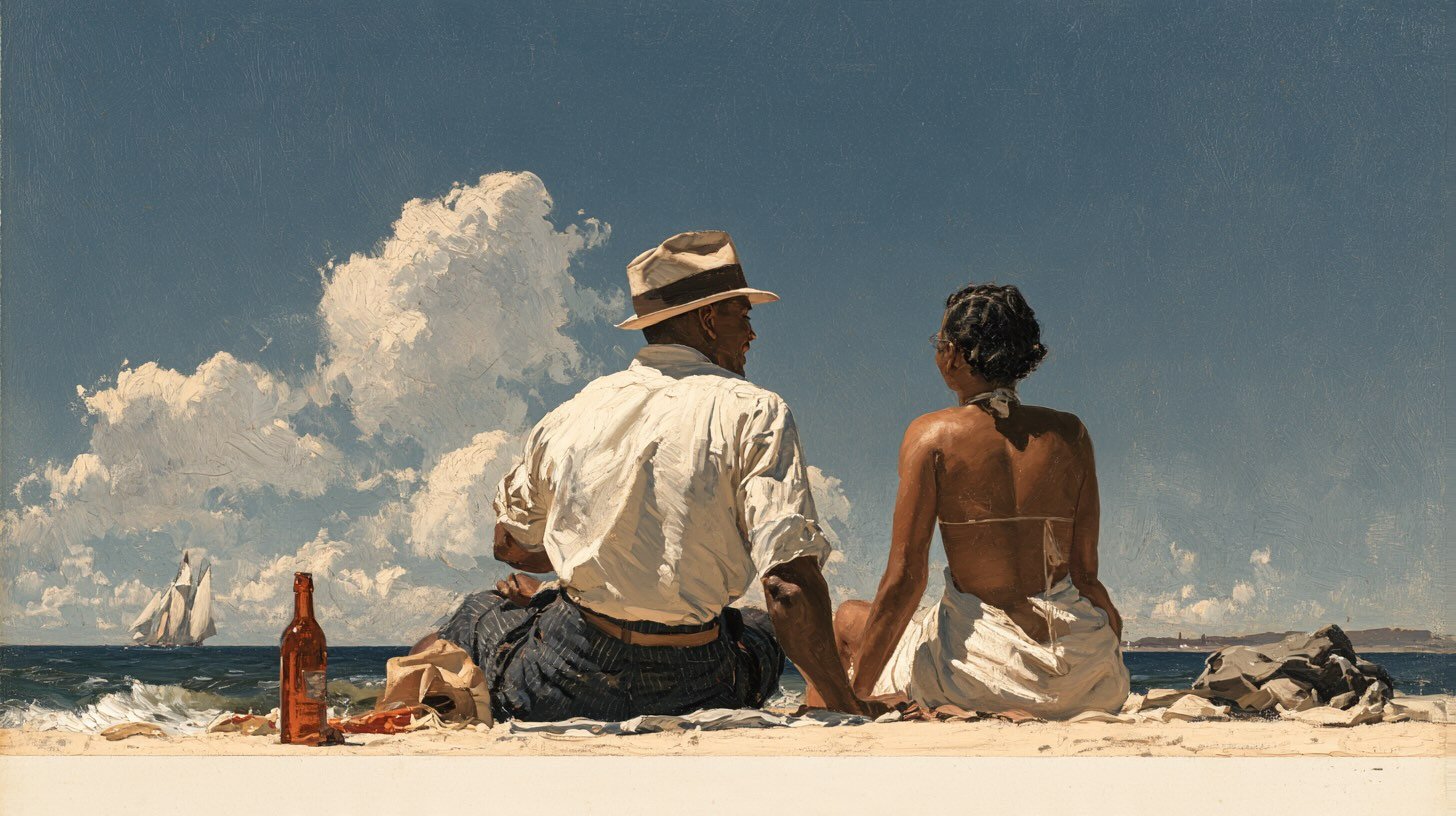
In 1928, a man named Eli Reid bought 400 acres of land on the banks of the Chowan River in Hertford County, North Carolina. He had a vision. He wanted to build a place where Black families could swim, dance, and relax without being turned away because of the color of their skin.
Reid was an unusual figure. He was African American, but he looked white. He belonged to the Winton Triangle, a community of mixed-race people of African, Native American, and European ancestry who had been free landholders since the 1740s . Reid served in World War I. He was a trustee of Winton’s First Baptist Church, a Black congregation. He lived in the white section of town. But he never forgot who he was or what his community needed.
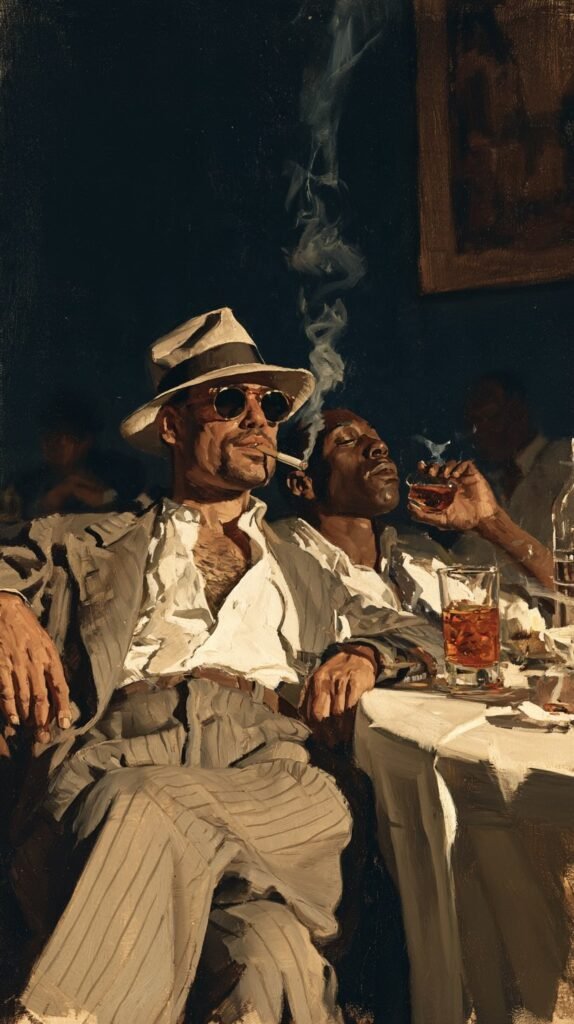
Chowan Beach was born.
The resort grew quickly. Wide sandy beaches were built. Guest cottages, bathhouses, a dance hall, a photo studio, a restaurant, and a picnic area followed. And then there was the carousel, a magnificent German-made carousel that became the symbol of the resort’s ambition. It was an oasis of fun in a social desert of limited opportunities and unfair treatment.
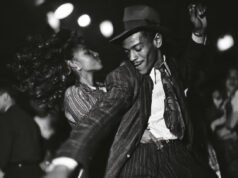
For decades, Chowan Beach was one of the premier destinations for African Americans on the East Coast. Families streamed in from across North Carolina and beyond. The water was cool and refreshing. The crowds were friendly. And the music was hot.
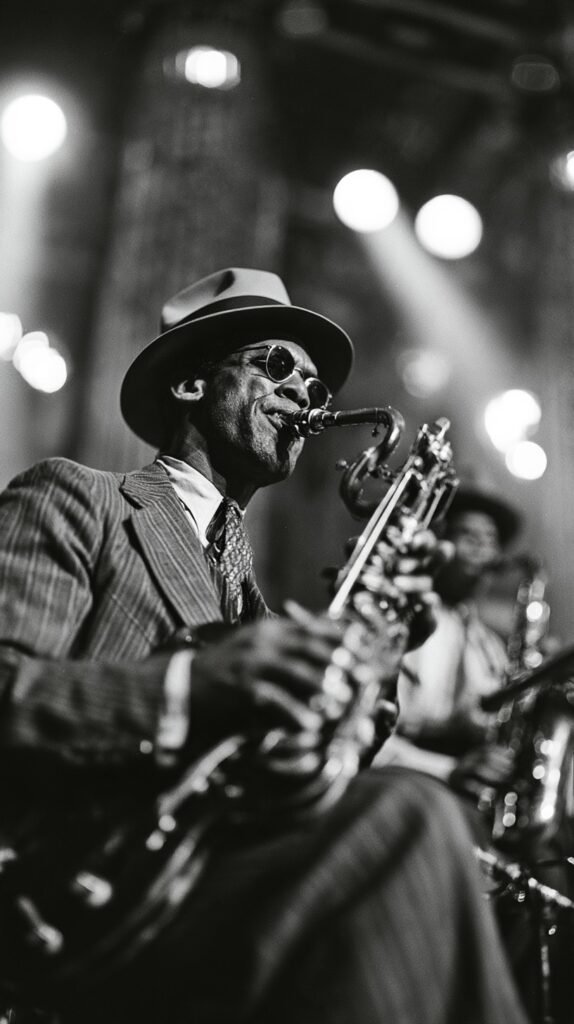
The resort became a major stop on the Chitlin’ Circuit, the network of venues that welcomed Black performers during segregation. B.B. King played there. James Brown. Sam Cooke. The Drifters. Ruth Brown. The Coasters. Joe Turner. Little Willie John. Louis Jordan. The biggest names in Black music performed on the stage at Chowan Beach, then relaxed on the sand with the same families who had come to see them.
For Black families in the segregated South, Chowan Beach was more than a vacation spot. It was a statement. It was a place where Black people could own something beautiful. Where children could swim without being told they didn’t belong. Where adults could dance without fear. Where a community could gather and be whole.
The resort closed in 2004. Desegregation had opened other beaches. The economy changed. The crowds stopped coming. But Chowan Beach never disappeared from memory.
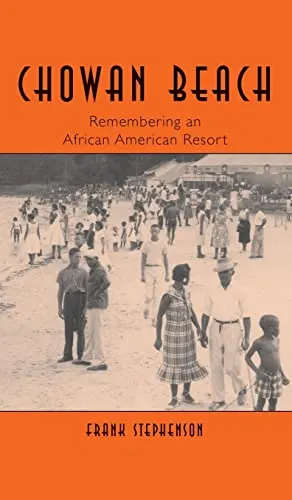
In 2006, Frank Stephenson published Chowan Beach: Remembering an African American Resort, a book filled with vintage photographs and the stories of the people who loved the place . The book is now held in Duke University’s John Hope Franklin Research Center for African and African American History and Culture. It is a record of a place that mattered.
Eli Reid died long before the resort closed. But his vision outlived him. He built a beach when the beaches were closed. He built a dance hall when the music was silenced. He built a carousel when the world told Black children they didn’t deserve joy.
Chowan Beach is gone now. But the story remains. And stories have power.
Sources:
- Frank Stephenson, Chowan Beach: Remembering an African American Resort (The History Press, 2006)
- BlackPast.org, “Chowan Beach, Hertford County, North Carolina (1926-2004),” 9 March 2014
- De Gruyter, “Chowan Beach, Winton ‘The Fountain of Youth'” (scholarly chapter on North Carolina’s Black beach communities)
- Duke University Library, catalog record for Chowan Beach: Remembering an African American Resort
- Google Books, catalog record for Chowan Beach
Verification Table
| Key Fact | Source & Context | Status |
| Chowan Beach was located on the banks of the Chowan River in Hertford County, North Carolina | Duke University Library; BlackPast.org | Verifiable |
| Founded in 1928 by Eli Reid (J. Eli Reid) | Duke University Library; Google Books | Verifiable |
| Some sources date the founding to 1926 | BlackPast.org | Debated |
| Reid purchased 400 acres of property | Duke University Library; Google Books | Verifiable |
| Reid was African American, raised in Winton, North Carolina | De Gruyter (scholarly chapter) | Verifiable |
| Reid was part of the Winton Triangle, a mixed-race community founded by free land-owning people of color | De Gruyter | Verifiable |
| Reid looked white and served in World War I | De Gruyter | Verifiable |
| Reid was a trustee of Winton’s First Baptist Church, an African American congregation | De Gruyter | Verifiable |
| The resort featured wide sandy beaches | Duke University Library | Verifiable |
| The resort featured guest cottages, bathhouses, a dance hall, a photo studio, a restaurant, and a picnic area | Duke University Library; Google Books | Verifiable |
| The resort featured a German-made carousel | Duke University Library; Google Books | Verifiable |
| Chowan Beach was a popular stop on the Chitlin’ Circuit | Duke University Library; BlackPast.org | Verifiable |
| Musicians who performed included B.B. King, James Brown, and Sam Cooke | Duke University Library; Google Books | Verifiable |
| Other performers included The Drifters, Ruth Brown, The Coasters, Joe Turner, Little Willie John, and Louis Jordan | Duke University Library; BlackPast.org | Verifiable |
| The resort closed in 2004 | BlackPast.org | Verifiable |
| Frank Stephenson wrote a book about Chowan Beach, published 2006 | Duke University Library; Google Books | Verifiable |
Achievements, Awards & Commemorations
| Commemoration | Date | Details |
| Book: Chowan Beach: Remembering an African American Resort | 2006 | By Frank Stephenson; published by The History Press; 124 pages with vintage photographs |
| BlackPast.org Entry | 2014 | Encyclopedic recognition of the resort’s history |
| Duke University Library Archive | Ongoing | Book held in the John Hope Franklin Research Center for African and African American History and Culture |
| Scholarly Recognition | 2022 | Featured in De Gruyter chapter on North Carolina’s Black beach communities |