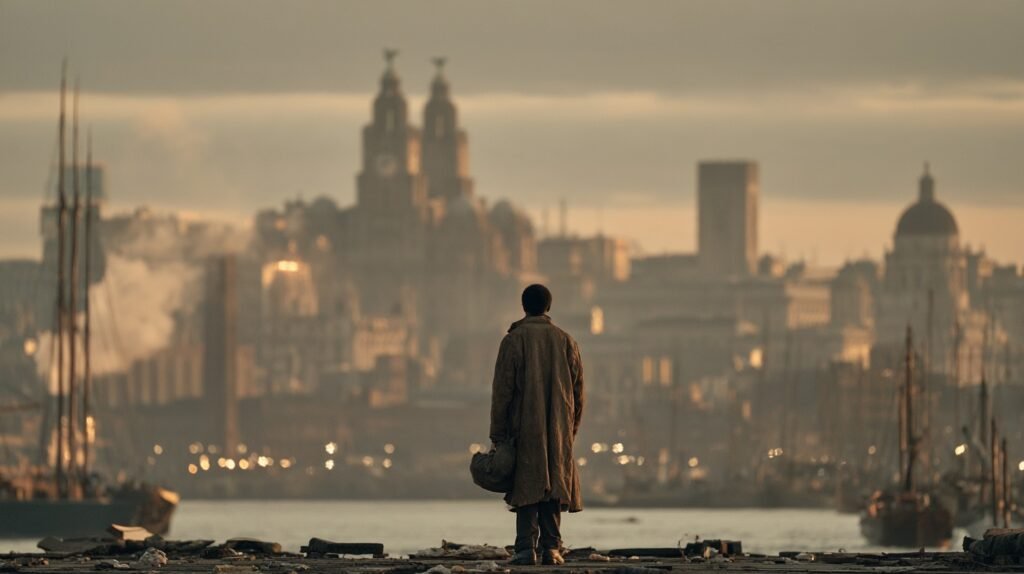
The facts, then. In 1900, a 14-year-old boy from British Guiana stowed away on a cargo ship bound for Liverpool. He arrived in the city with nothing, knowing nobody. He wandered the streets until priests from St. Augustine’s Church on Great Howard Street found him cold and hungry and took him in. He was later adopted by an Irish family living on Scotland Road.
His name was James Clarke. He would go on to save dozens of lives and teach countless children to swim. Clarke was born in 1886 in Georgetown, British Guiana, now Guyana. He worked on Liverpool’s docks and joined Wavertree Swimming Club, where he won numerous medals between 1908 and 1910. He was a natural athlete, excelling at swimming, running, and boxing.
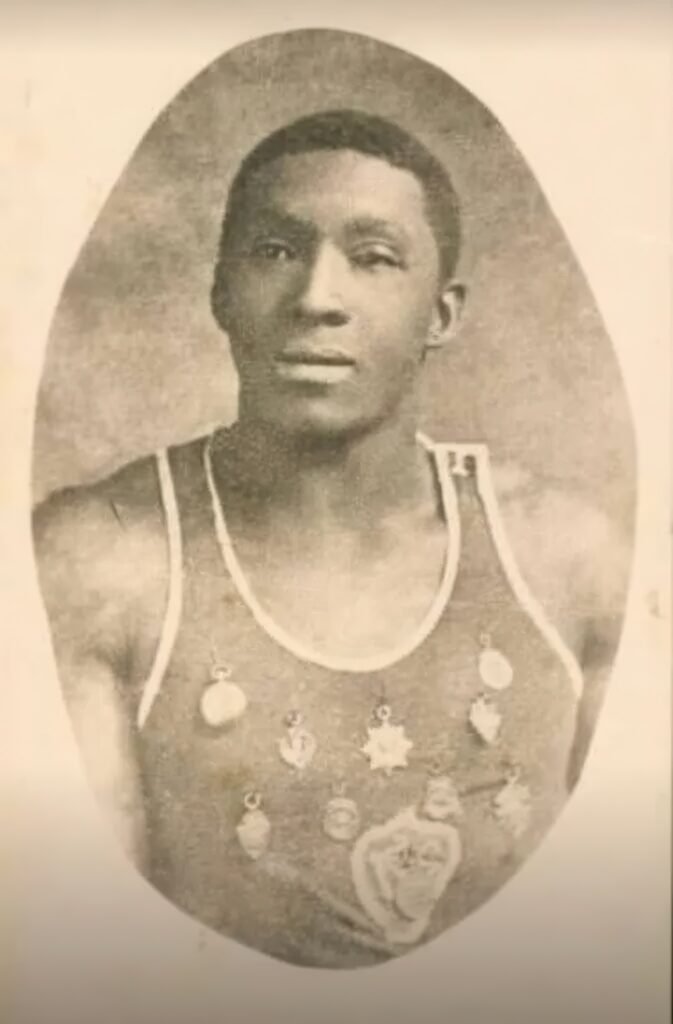
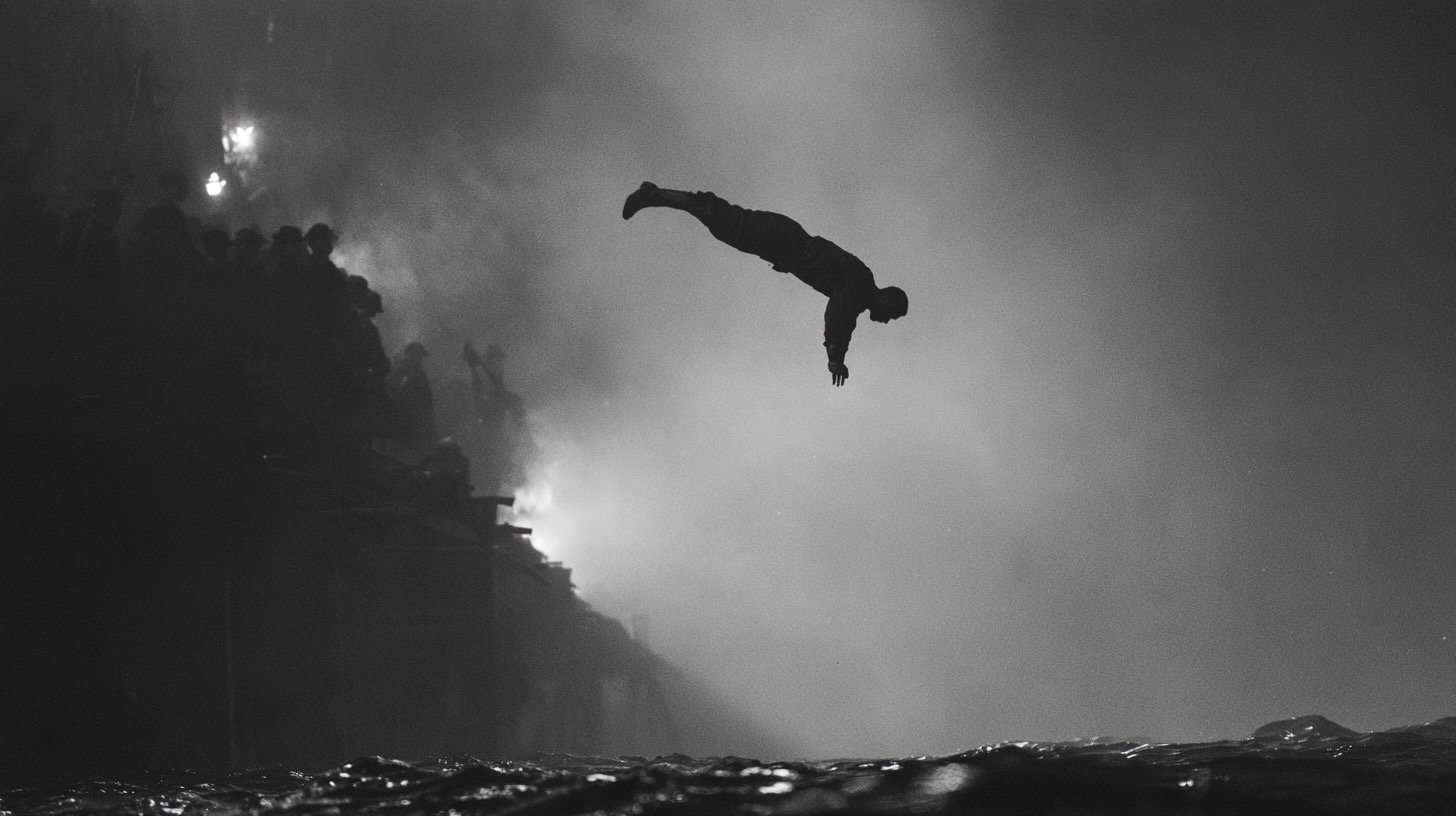
His heroism was extraordinary. On multiple occasions, he dropped whatever he was doing and dived into the Leeds-Liverpool Canal or the River Mersey to rescue children and adults in danger of drowning. Between 1911 and 1916, he rescued a number of seamen and dock-workers from the river. The deep canal near his home was a constant danger to children who went swimming or fishing there.
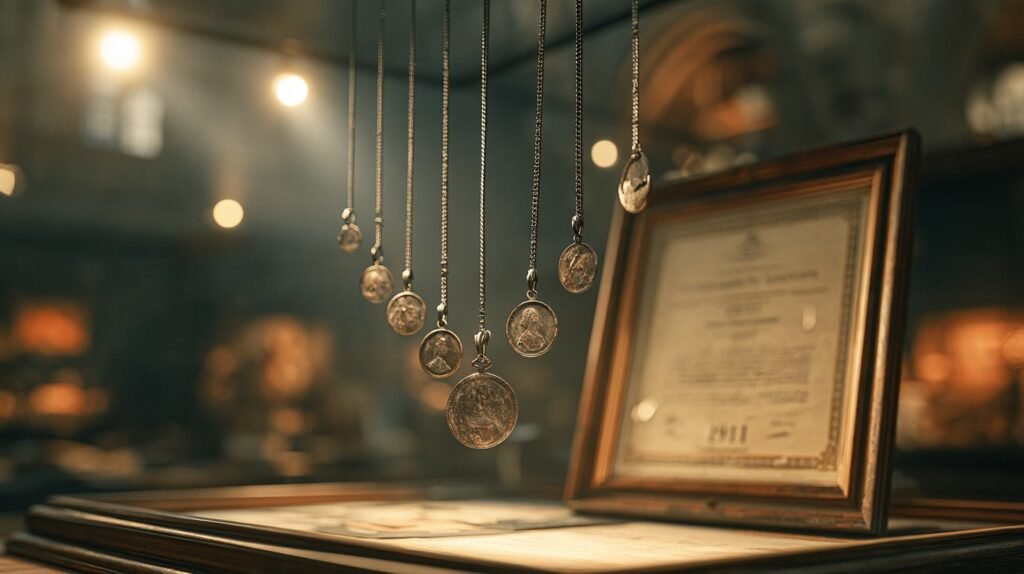
In February 1911, he rescued a man drowning in West Waterloo Docks. The Liverpool Shipwreck and Humane Society awarded him a certificate for his bravery, which is now on display at the Museum of Liverpool alongside his silver chain and medals.
Clarke was the only person to receive three medals from the Liverpool and District Swimming Association for his acts of heroism. He was also called upon by police to help locate the bodies of drowned people, diving repeatedly until he found them. He coached Liverpool police swimming and boxing teams.
He married Elizabeth Murphy in 1914 at the Church of Our Lady of Reconciliation in Vauxhall. They had 13 children. He campaigned for swimming lessons for schoolchildren and taught countless youngsters at Burroughs Gardens Baths, insisting that children should learn to save themselves.
James Clarke died on May 10, 1946, at age 60. On the day of his funeral, the streets of Vauxhall were lined with local residents and schoolchildren paying their respects. In 1986, a street was named in his memory, the first Black man in Liverpool to receive such an honour. A plaque was unveiled at the Aquatics Centre in Wavertree in 2008.
He faced racism and physical abuse but never let those struggles define him. He often told his children: “Let colour be your last excuse, not your first.” That message has been passed down through generations.
In 2025, a mural was unveiled in Athol Village, Liverpool, celebrating his life. His family said: “His journey is a powerful reminder that no matter the obstacles, determination and kindness can make a real difference.”
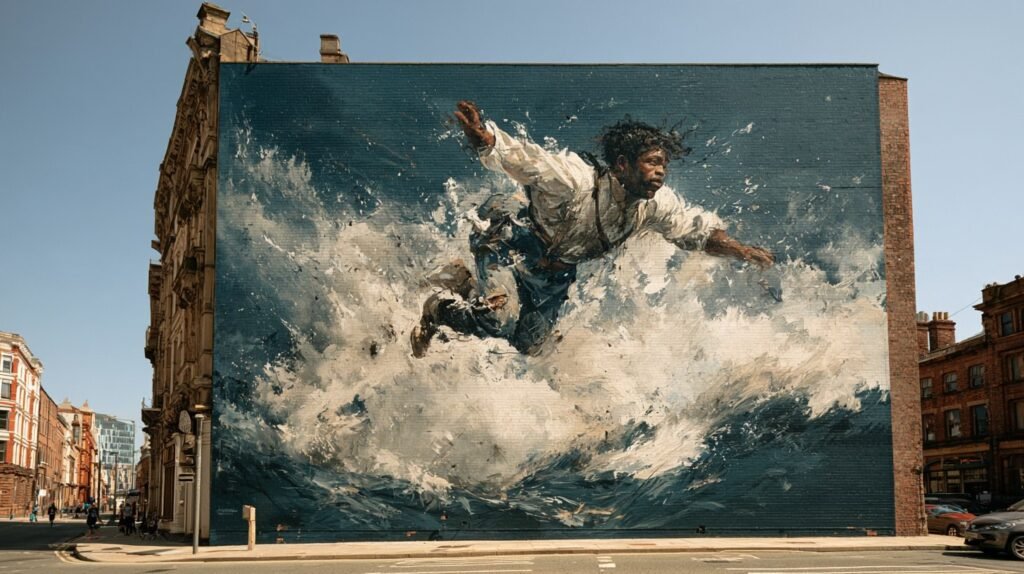
James Clarke’s name is on a street, a plaque, a mural, and the memory of a city. He arrived as a stowaway. He left as a legend.
Sources:
- BBC News – “‘Humble’ hero saved dozens of drowning children” (2025)
- Birkenhead News – “Liverpool’s newest mural honours life-saving hero” (2026)
- Liverpool Echo – “Black History Month 2020: The Liverpool lifeguard who has a street named after him” (2020)
- Guyana Graphic – “James Clarke (born in British Guiana in 1886), hero who saved children’s lives in Liverpool, UK”
- Art in Liverpool – “Liverpool hero who saved locals from drowning honoured with new mural” (2025)
- National Museums Liverpool – “Podcast – Heroes on the Mersey”
| Key Fact | Source & Context | Status |
|---|---|---|
| Born in 1886 in Georgetown, British Guiana (now Guyana) | BBC News ; Liverpool Echo | Verifiable |
| Arrived in Liverpool in 1900 as a 14-year-old stowaway on a cargo ship | BBC News ; Liverpool Echo | Verifiable |
| Found by priests from St. Augustine’s Church on Great Howard Street | Liverpool Echo | Verifiable |
| Adopted by an Irish family living on Scotland Road | BBC News ; Liverpool Echo | Verifiable |
| Worked as a dock worker on Liverpool’s docks | BBC News ; Liverpool Echo | Verifiable |
| Joined Wavertree Swimming Club; won numerous medals between 1908 and 1910 | Liverpool Echo | Verifiable |
| Rescued a man from drowning in West Waterloo Docks on February 14, 1911 | BBC News ; Liverpool Echo | Verifiable |
| Received a framed certificate from Liverpool Shipwreck and Humane Society | BBC News ; Liverpool Echo | Verifiable |
| Saved dozens of children and adults from drowning in canals, docks, and the River Mersey | BBC News ; Liverpool Echo | Verifiable |
| Rescued a number of seamen and dock-workers from the River Mersey between 1911 and 1916 | Liverpool Echo | Verifiable |
| Coached Liverpool police swimming and boxing teams | BBC News ; Liverpool Echo | Verifiable |
| Taught countless children to swim at Burroughs Gardens Baths | BBC News ; Liverpool Echo | Verifiable |
| Married Elizabeth Murphy in 1914 at the Church of Our Lady of Reconciliation | Liverpool Echo | Verifiable |
| Had 13 children | Liverpool Echo | Verifiable |
| Was the only person to receive three medals from Liverpool and District Swimming Association for acts of heroism | Liverpool Echo | Verifiable |
| Died in 1946 at age 60 | BBC News ; Liverpool Echo | Verifiable |
| On the day of his funeral, streets of Vauxhall were lined with residents and schoolchildren | Liverpool Echo | Verifiable |
| James Clarke Street was named in his memory in 1986; first Black man in Liverpool to receive this honour | BBC News ; Liverpool Echo | Verifiable |
| Plaque was unveiled at Liverpool Aquatics Centre in 2008 after a campaign by St Hugh’s Primary School | Liverpool Echo | Verifiable |
| Silver chain and medals are on display at the Museum of Liverpool in The People’s Republic exhibition | BBC News | Verifiable |
| A mural was unveiled in Athol Village, Liverpool, in April 2025, painted by John Culshaw | BBC News | Verifiable |
| Often told his children: “Let colour be your last excuse, not your first” | BBC News | Verifiable |
| His family said: “Despite facing racism and physical abuse, he never let those struggles define him” | BBC News | Verifiable |