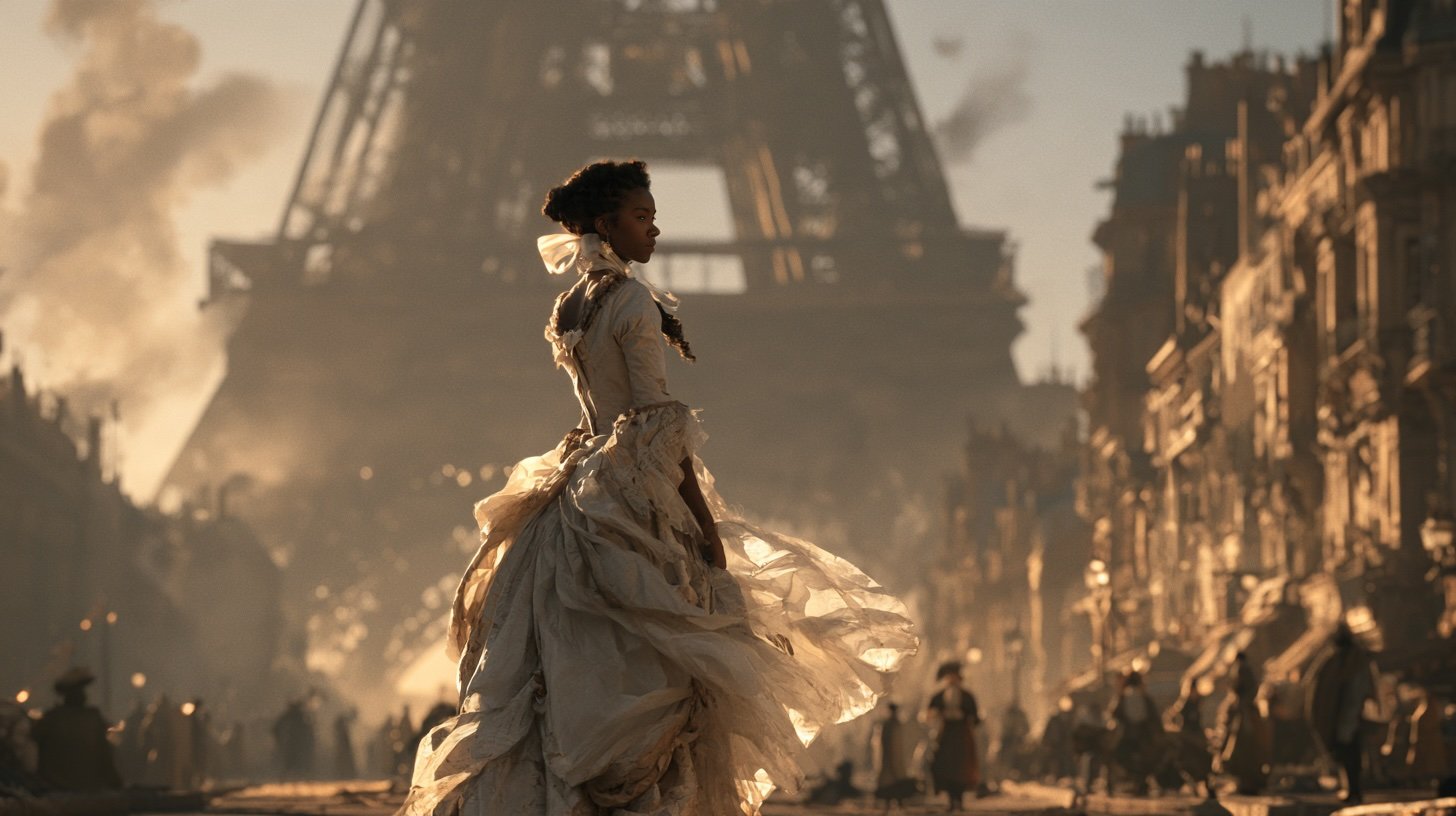
The facts, then. Sally Hemings was born into slavery in Virginia in 1773. She was the property of Thomas Jefferson, the man who wrote that “all men are created equal.” She lived in his house at Monticello. She bore him six children. And she spent her life negotiating the impossible space between slavery and freedom.
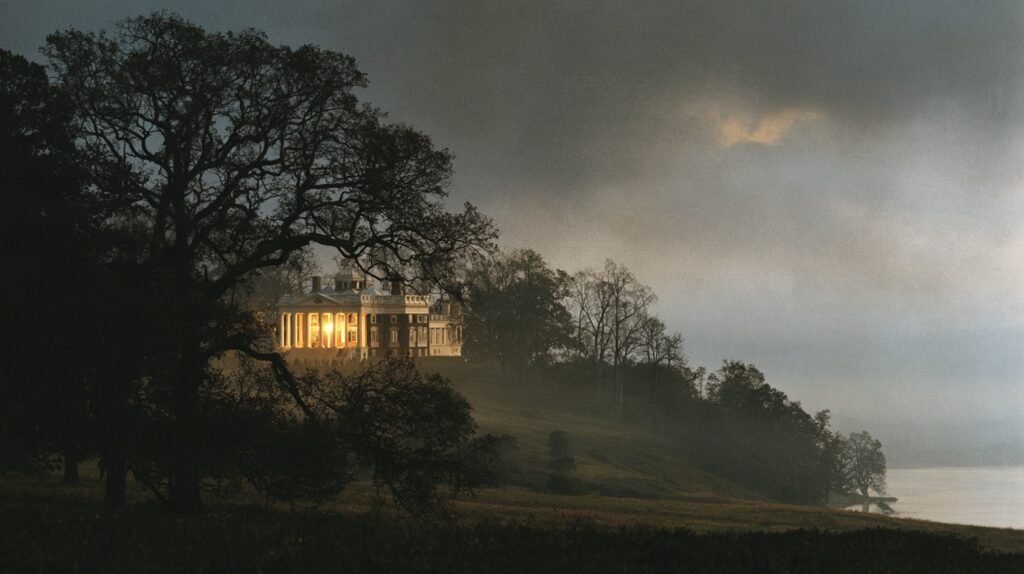
Hemings was the daughter of Elizabeth “Betty” Hemings, an enslaved woman, and John Wayles, a white planter. Wayles was also the father of Jefferson’s wife, Martha. This meant that Sally Hemings was the half-sister of Jefferson’s wife. Under Virginia law, children born to enslaved mothers inherited their mother’s status. Hemings was legally enslaved from birth.
In 1787, at 14 years old, Hemings traveled to Paris with Jefferson’s daughter Maria. She was his house servant. French law did not allow slavery on French soil. Jefferson could have freed her there. He did not.
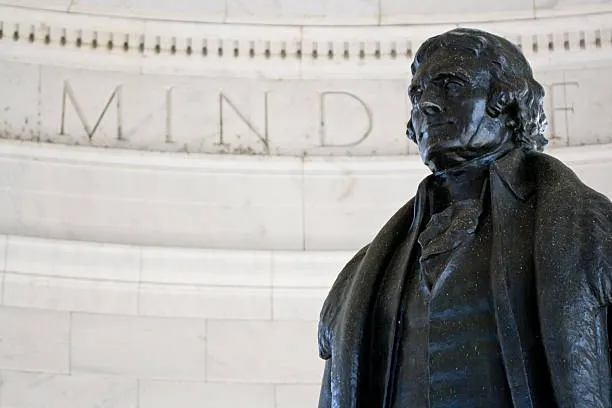
According to her son Madison, Hemings became pregnant with Jefferson’s child in Paris. She refused to return to Virginia unless Jefferson promised to free her children when they came of age. Jefferson agreed. Their arrangement was not romance. It was a negotiation between an enslaved woman and the man who owned her. He had almost total control over her life. Meaningful consent was impossible.
Between 1790 and 1808, Hemings gave birth to at least six children. Four survived to adulthood: Beverly, Harriet, Madison, and Eston. Jefferson freed all four of them. Hemings herself was never officially freed but lived her final years in Charlottesville with her sons Madison and Eston.
In 1802, a newspaper editor named James Callender published the first public accusation of Jefferson’s relationship with Hemings. Jefferson never responded.
In 1998, DNA tests proved a genetic link between the Jefferson male line and Eston Hemings, Sally’s youngest son. The Thomas Jefferson Foundation now treats as settled fact that Jefferson fathered all of Hemings’ known children.
Sally Hemings was an enslaved woman who secured freedom for her children. She lived in the house of a man who wrote the Declaration of Independence. She never saw her own name on a freedom paper. But her children walked out of Monticello free. That was her legacy.
Verification Table
| Key Fact | Source & Context | Status |
| Born into slavery in Virginia in 1773 | Oxford Reference ; ENLS Digital Resources | Verifiable |
| Died in 1835 | Oxford Reference ; ENLS Digital Resources | Verifiable |
| Daughter of Elizabeth “Betty” Hemings (enslaved) and John Wayles (white planter) | Oxford Reference ; ENLS Digital Resources | Verifiable |
| John Wayles was also the father of Jefferson’s wife Martha; Hemings was Jefferson’s wife’s half-sister | Oxford Reference ; ENLS Digital Resources | Verifiable |
| At age 14, traveled to Paris with Jefferson’s daughter Maria, serving as lady’s maid | ENLS Digital Resources | Verifiable |
| French law did not allow slavery on French soil; Jefferson could have freed her but did not | ENLS Digital Resources | Verifiable |
| According to her son Madison’s 1873 account, she became pregnant with Jefferson’s child in Paris and negotiated for her children’s freedom | Monticello | Verifiable |
| Gave birth to six children between 1790 and 1808, with four surviving to adulthood: Beverly, Harriet, Madison, and Eston | ENLS Digital Resources ; Monticello | Verifiable |
| Madison Hemings stated in 1873 that Jefferson was his father | Monticello ; ENLS Digital Resources | Verifiable |
| DNA tests (1998) proved a Jefferson male fathered Eston Hemings, ruling out the Carr family | The New York Times ; Monticello ; Science Museum Group | Verifiable |
| Monticello Foundation affirmed Jefferson’s paternity of all Hemings’ children in 2018 | Monticello | Verifiable |
| Jefferson freed all four surviving children; Hemings herself was never officially freed | Monticello ; ENLS Digital Resources | Verifiable |
| Public accusation first published by James Callender in 1802 | Oxford Reference ; ENLS Digital Resources | Verifiable |
| Hemings lived her final years in Charlottesville with her sons Madison and Eston | Monticello | Verifiable |
| The “Getting Word” oral history project has interviewed descendants of Monticello’s enslaved families | Monticello ; CUNY ; Smithsonian | Verifiable |